
Overview of Evenflo Infant Car Seat Models

Evenflo infant car seats cover a range of models‚ each tailored to specific weight and height limits. The LiteMax 35 supports infants up to 35 lb/32 in‚ while the NurtureMax requires 4–22 lb/17–29 in. The Gold SensorSafe adds smart safety‚ and the Shyft DualRide combines seat and stroller functions.!!

Evenflo LiteMax 35 Specifications
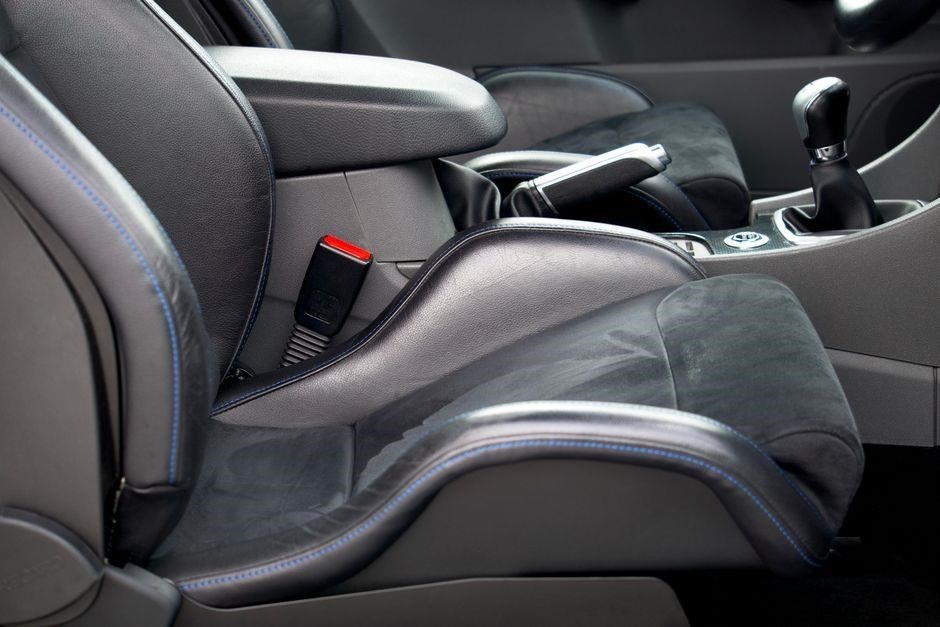
The Evenflo LiteMax 35 infant car seat is engineered to accommodate newborns and infants up to 35 lb (15.9 kg) and 32 in (81 cm) in height. Designed with a 5‑point harness system‚ the seat features a padded base and adjustable headrest to provide a secure and comfortable fit for the youngest passengers. The seat’s lightweight frame and compact dimensions allow for easy installation in a variety of vehicle models‚ while the integrated side‑impact protection offers additional safety for the child. The LiteMax 35 is compatible with standard seat belts and can be used in rear‑seat positions only. The rear‑ward facing configuration is recommended for infants up to 35 lb‚ and the seat can be reconfigured to forward‑facing following the manufacturer’s weight and height guidelines. The seat’s construction includes a durable‚ machine‑washable seat cover that can be removed for cleaning. The LiteMax 35 also includes a 3‑point seat belt anchorage system that aligns with the vehicle’s seat belt‚ ensuring a secure fit. The seat’s design complies with the U.S. federal safety standards for infant car seats‚ and the manufacturer recommends regular inspection of the harness and seat belt connections to maintain optimal safety performance. The LiteMax 35 is a cost‑effective solution for parents seeking a reliable‚ lightweight infant seat that meets essential safety requirements while providing comfort and ease of use for both child and driver. Parents should also verify that the seat’s base is properly secured to the vehicle’s seat and that the seat belt is snug without any slack‚ as loose connections can compromise the seat’s protective function during a collision. Additionally‚ the seat’s side‑impact foam pads are designed to absorb impact forces‚ and the seat’s base is engineered to distribute weight evenly across the vehicle seat.
Evenflo NurtureMax Infant Seat Requirements
Before installing the Evenflo NurtureMax infant seat‚ confirm that the child meets the specified weight and height limits: 4 lb (1.8 kg) to 22 lb (10 kg) and 17 in (43 cm) to 29 in (73 cm). The seat is intended for rear‑facing use only‚ and it must be installed with the vehicle seat belt or LATCH system‚ following the instructions. The NurtureMax includes a 5‑point harness and a removable headrest that adjusts to the child growth. For infants born before 37 weeks or weighing less than 5 lb (2.3 kg) at birth‚ a evaluation is recommended before the first car trip‚ as premature infants may experience breathing difficulties or heart rate irregularities when seated upright. The seat’s side‑impact protection is rated to meet federal safety standards‚ and the base is designed to distribute weight evenly across the vehicle seat. Always ensure that the seat belt or LATCH anchors are snug‚ with no slack‚ and that the harness straps are positioned correctly over the child shoulders and hips. The NurtureMax base can be rotated to accommodate different vehicle configurations‚ but it must remain firmly attached to the seat. The seat cover is machine‑washable for easy cleaning. Regular inspection of the harness‚ straps‚ and seat belt connections is essential to maintain safety. The advises parents to read the instruction manual and the vehicle owner’s manual before installation‚ and to consult a healthcare professional if the infant has any conditions that could affect seating position or breathing. By adhering to these requirements‚ parents can ensure that the NurtureMax provides a secure‚ comfortable‚ compliant seating solution for their infant. Parents should also verify that the seat base is level and that the vehicle seat is free of debris before installation. After each trip‚ inspect the harness for wear‚ and replace any worn components immediately to preserve the seat integrity and safety performance. Ensure alignment secure installation.
Evenflo Gold SensorSafe SecureMax Smart Seat Features
The Evenflo Gold SensorSafe SecureMax Smart Seat is a high‑performance infant car seat that incorporates a built‑in sensor system to monitor the child’s position and alert the driver if the seat is improperly secured. The seat is rated for infants from 4 lb (1.8 kg) to 22 lb (10 kg) and 17 in (43 cm) to 29 in (73 cm). It features a 5‑point harness‚ a removable headrest that adjusts to growth‚ and a side‑impact protection system that meets the latest federal safety standards. The Smart Seat’s sensor module is integrated into the base and communicates with the vehicle’s seat belt system to provide real‑time feedback on belt tension and harness placement. The base can be rotated to fit both front‑ and rear‑facing configurations‚ and it is compatible with the LATCH system for quick‚ secure installation. The seat’s adjustable recline angles allow parents to set the optimal angle for the infant’s comfort while maintaining safety. The seat’s cover is machine‑washable‚ and the harness straps are made from high‑strength nylon to resist wear. The instruction manual includes step‑by‑step setup‚ operating procedures‚ maintenance tips‚ and troubleshooting guides. Parents are advised to read the vehicle owner’s manual before installation‚ and to consult a healthcare professional if the infant has any medical conditions that could affect seating. The Smart Seat’s sensor alerts are designed to reduce the risk of improper seat positioning‚ which is critical for premature or medically fragile infants. By following the manufacturer’s guidelines‚ parents can ensure the SecureMax provides a safe‚ comfortable‚ and technologically advanced seating solution for their child. The base’s integrated weight sensor continuously checks harness tension‚ and the seat’s recline can be set in 5‑degree increments to accommodate growth.

Evenflo Shyft DualRide Infant Car Seat & Stroller Combo Overview
The Evenflo Shyft DualRide Infant Car Seat & Stroller Combo is a versatile solution that transforms from a rear‑facing infant seat to a stroller seat with a single base. The base is compatible with the LATCH system and the vehicle’s seat belt‚ allowing quick installation in the car or on a stroller. The seat accommodates infants from 4 lb (1.8 kg) to 22 lb (10 kg) and 17 in (43 cm) to 29 in (73 cm). The DualRide features a 5‑point harness‚ a removable headrest that adjusts to growth‚ and a side‑impact protection system that meets federal safety standards. The base can be rotated to 180° for rear‑facing or forward‑facing use‚ and the stroller seat includes a 3‑point harness for added security. The stroller’s handle is adjustable‚ and the seat can be folded flat for easy storage. The instruction manual provides step‑by‑step installation‚ operation‚ and maintenance instructions‚ including how to switch between car seat and stroller modes. The manual also outlines troubleshooting tips for common issues such as loose harness straps or base misalignment. Parents should read the vehicle owner’s manual before installation and consult a pediatrician if the infant has medical concerns. The Shyft DualRide is designed for convenience‚ safety‚ and growth‚ making it an ideal choice for families who need a flexible‚ all‑in‑one solution for infant travel. The product is CE‑certified and meets all European safety standards for cross‑border travel for parents.

Safety Guidelines and Medical Considerations
Evenflo recommends consulting a pediatrician before using the seat for preterm infants. Follow the manufacturer’s Premature Infant Use section‚ ensuring weight and height limits are met. Read both the seat and vehicle manuals to avoid improper positioning and reduce injury risk. Keep seat belt tight‚ snug. Now
Premature Infant Use and Medical Consultation
Evenflo explicitly states that a preterm or low‑birth‑weight infant should not be placed in the car seat until a qualified healthcare provider has cleared the child for safe seating. The manufacturer’s manual lists specific weight (4–22 lb) and height (17–29 in) ranges that must be met before use. If the infant falls below these thresholds‚ the seat’s harness and recline positions may compromise airway patency or increase the risk of injury in a crash. Pediatric evaluation is recommended for all infants born before 37 weeks gestation or weighing less than 5 lb at birth. During the evaluation‚ the clinician should assess respiratory function‚ heart rate stability‚ and overall physical development. The American Academy of Pediatrics (AAP) recommends a comprehensive assessment that includes a check for breathing difficulties‚ heart rate irregularities‚ and any underlying medical conditions that could be exacerbated by the seated position. Only after the clinician confirms that the infant can safely tolerate the seat’s recline angle and harness tension should the parent proceed with installation. Parents should also review the vehicle’s owner’s manual for seat belt compatibility and follow the manufacturer’s step‑by‑step installation instructions. Failure to adhere to these guidelines can result in serious injury or death‚ as highlighted in the safety warning section of the Evenflo instruction manual. Always keep a copy of the medical clearance on hand and re‑evaluate the infant’s readiness if there are any changes in health status or if the infant’s weight or height approaches the lower limits of the seat’s specifications. By following these precautions‚ caregivers can ensure the infant’s safety during travel.
- Confirm weight and height thresholds before installation.
- Obtain pediatric clearance for preterm infants.
- Check for breathing and heart rate stability during evaluation.
- Follow AAP recommendations for preterm/newborn safety.
- Keep medical clearance documented and review if health changes.
AAP Recommended Evaluation for Preterm/Newborn Infants
Evenflo’s instruction manual stresses that a preterm or low‑birth‑weight infant must undergo a pediatric evaluation before the first car trip. The American Academy of Pediatrics (AAP) recommends this assessment for all infants born before 37 weeks gestation or weighing less than 5 lb at birth. The evaluation should focus on respiratory function‚ heart rate stability‚ and overall physical development. A clinician should observe the infant’s breathing pattern while seated‚ check for any signs of apnea or bradycardia‚ and verify that the infant can maintain a neutral airway position. The assessment also includes a review of the infant’s weight‚ length‚ and head circumference to ensure they meet the seat’s minimum requirements. Documentation of the evaluation‚ including any medical clearance or notes on required precautions‚ should be kept in the vehicle’s glove compartment or a dedicated travel folder. If the infant exhibits any breathing or cardiac concerns‚ the parent should delay travel until the issues are resolved or until the infant’s weight and height allow safe use of the seat. This proactive approach aligns with the AAP’s emphasis on preventing injury and ensuring that the infant’s unique medical needs are addressed before exposure to the forces of a crash. By following the AAP guidelines‚ caregivers can provide an additional layer of safety and peace of mind during every journey. Parents should keep a copy of the medical clearance in the glove compartment and review the seat’s instructions before each trip to maintain safety compliance!!

Risks of Improper Seat Positioning in Premature Infants
Evenflo’s manual warns that a premature infant’s delicate airway and fragile musculoskeletal system make correct seat positioning essential. If the infant is positioned too upright‚ the neck may flex forward‚ compromising the airway and increasing the risk of apnea. Conversely‚ an excessively reclined angle can cause the infant’s head to fall forward‚ leading to airway obstruction. Improper use of the seat belt or harness can place undue pressure on the infant’s chest‚ potentially restricting breathing or causing rib fractures. The manual also notes that a loose or misaligned harness can shift the infant during a collision‚ reducing the effectiveness of the restraint and increasing the likelihood of head or neck injury. Additionally‚ improper positioning may cause the infant’s weight to be distributed unevenly across the seat‚ leading to increased stress on the spine and shoulders. The manual emphasizes that any deviation from the specified angle and harness tension can elevate the risk of serious injury or death‚ especially in infants with underdeveloped respiratory control or fragile bones. Parents should follow the manufacturer’s angle guidelines‚ check harness snugness‚ and verify that the infant’s head remains supported and the airway remains clear at all times. Failure to adhere to these precautions can result in life‑threatening complications during a crash or sudden movement. The manual also advises that the infant’s weight should be evenly distributed across the seat’s base; uneven distribution can cause the infant to shift forward or backward during impact‚ compromising the harness’s effectiveness. In addition‚ the manual warns that the infant’s neck should not be forced into a flexed position by an overly tight harness‚ as this can restrict airflow and increase the risk of sudden infant death syndrome (SIDS) during travel. Parents should also be aware that the seat’s recline angle should not exceed the manufacturer’s recommended maximum‚ as excessive recline can cause the infant’s head to tilt forward‚ obstructing the airway. Finally‚ the manual stresses that any signs of discomfort‚ such as crying or arching of the back‚ may indicate improper positioning and should prompt immediate adjustment. By rigorously following the positioning guidelines‚ caregivers can significantly reduce the risk of injury and ensure the infant’s safety during every trip.!!

Manufacturer Safety Warning Summary
Evenflo’s official safety warning summary emphasizes that the infant car seat must be used only for infants meeting the specified weight and height limits. The manufacturer cautions that premature or low‑birth‑weight infants should not be placed in the seat until a qualified pediatrician has cleared them for use. The manual states that the seat’s harness system must be adjusted so that the infant’s shoulders are snug without pressure points‚ and that the seat belt must be tightened to the manufacturer’s specified tension. Evenflo warns that failure to secure the seat belt correctly can result in the infant being displaced during a collision‚ increasing the risk of serious injury or death. The warning also highlights that the seat’s recline angle must remain within the manufacturer’s recommended range; exceeding this angle can compromise the infant’s airway and lead to respiratory distress. The manual stresses that the infant’s head should always be supported and that the harness straps should not be tightened to the point of restricting breathing. Evenflo advises that the seat’s base must be firmly secured to the vehicle’s seat‚ and that the seat must be installed according to the vehicle’s owner manual. The warning further notes that any signs of discomfort‚ such as crying or arching of the back‚ indicate improper positioning and should prompt immediate adjustment. Finally‚ Evenflo urges parents to follow the manufacturer’s maintenance checklist‚ replace worn components‚ and perform regular inspections to ensure the seat remains safe and functional. Failure to comply with these safety guidelines can result in catastrophic injury or death during a crash.!!

Installation‚ Operation‚ and Maintenance Procedures
Follow the vehicle manual for seat belt placement. Secure the base‚ adjust the harness to fit snugly‚ and keep the recline angle within limits. Perform daily checks for wear‚ replace straps after 10 years‚ and clean fabric with mild soap. Store in a cool‚ dry place. Latch buckle weekly; inspect monthly now.
Vehicle Owner Manual Coordination

Before installing an Evenflo infant seat‚ consult your vehicle’s owner manual to locate the correct seat belt path and confirm the seat’s weight limit compatibility. The manual will indicate whether the seat should be installed using the seat belt or the LATCH system‚ and will provide the exact belt placement angle. Follow the Evenflo instructions to secure the base to the vehicle’s seat frame‚ tightening the belt or latch until the seat is firmly held in place. After installation‚ test the seat’s stability by gently rocking it; it should not move more than an inch in any direction. The vehicle manual will also list recommended seat positions for rear‑facing infants‚ ensuring the seat’s recline angle stays within the manufacturer’s specified range. Finally‚ review the vehicle’s safety features‚ such as airbags‚ to ensure they do not interfere with the seat’s harness or base. Keep a copy of both the vehicle and seat manuals in the trunk for reference during future maintenance or relocation of the seat. Additionally‚ note any vehicle‑specific warnings about seat installation in the manual‚ such as restrictions on seat height or belt tension. If your vehicle has a seat belt pretensioner‚ verify that it does not affect the Evenflo seat’s latch or belt tension. When moving the seat between vehicles‚ re‑check the belt path and latch alignment to maintain compliance with both the Evenflo and vehicle safety standards. Regularly review the vehicle manual for any updates or recalls that may impact seat installation‚ and follow any new guidelines promptly to preserve optimal safety for your child.
Seat Belt Installation and Securing Techniques
Begin by positioning the Evenflo base on the vehicle seat‚ aligning the seat belt with the path indicated in the vehicle’s owner manual. Pull the belt taut and thread it through the base’s belt guides‚ ensuring even tension on both sides. Tighten until the seat cannot move more than one inch in any direction. Lock the built‑in buckle and verify the belt does not cross the child’s chest or neck. If the vehicle offers a LATCH system‚ replace the belt with the LATCH straps and tighten until the base is firmly seated. After securing‚ test the seat’s stability by gently rocking it; it should remain stationary. Keep the recline angle within the manufacturer’s recommended range and confirm the harness straps are snug but not overly tight. Document belt tension and seat position in a maintenance log. If any slippage occurs‚ readjust immediately. Inspect the belt for wear or damage and replace if necessary. When using a seat belt‚ ensure the tension indicator (if present) is in the “tight” position. Align the base so the belt runs straight across the back of the vehicle seat. After tightening‚ double‑check that the base is level and the belt does not sag. Record any adjustments in a maintenance log and schedule a re‑inspection after every 12 months or after any significant vehicle repair that may affect belt tension. Check that the seat’s base is level and that the seat belt does not sag. If the vehicle has airbags‚ verify they are positioned from the seat’s base to interference. Always ensure the seat’s base is secured to the vehicle seat frame.
Regular Maintenance and Inspection Checklist
Follow this routine to keep your Evenflo infant car seat safe and functional. 1. Inspect the base for cracks‚ dents‚ or loose screws. 2. Verify the seat belt or LATCH straps are free of fraying and properly tensioned. 3. Check the harness straps for wear‚ ensuring they sit flat against the child’s chest. 4. Confirm the recline angle is within the manufacturer’s limits. 5. Test the seat’s stability by rocking it; it should not move more than one inch. 6. Examine the seat’s padding and foam for compression or damage. 7. Ensure the safety sensor (if equipped) is clean and functioning. 8. Review the child’s weight and height against the seat’s limits. 9. Replace any worn or damaged components immediately. 10. Keep a log of inspections and any corrective actions taken. Perform this check monthly and after any significant vehicle repair or collision. Adhering to this checklist will help maintain optimal protection for your child. Additionally‚ check the seat’s color‑coded indicators for proper placement‚ verify that the seat’s base is level on the vehicle seat‚ and ensure that the seat’s latch system is not obstructed by cargo. Inspect the seat’s side‑impact protection panels for dents or cracks‚ and replace them if they show any signs of compromise. Verify that the seat’s headrest is positioned correctly and that the headrest strap is not twisted. Finally‚ test the seat’s overall weight capacity by placing a calibrated weight on the seat and confirming that the seat does not shift. Document all findings in a maintenance log and schedule a professional inspection if any issues arise. If the seat’s base shows any signs of corrosion‚ replace it immediately. Check the seat’s buckle for smooth operation‚ and ensure that the buckle’s release mechanism works without resistance. Inspect the seat’s foam for any signs of mold or mildew‚ and clean with a mild detergent if necessary. Verify that the seat’s straps do not have any sharp edges that could cut the child’s skin. Confirm that the seat’s overall dimensions remain within the vehicle’s seat dimensions‚ and adjust the seat’s position if needed. Keep the seat’s manual and any warranty documents in a safe place for future reference. By following these detailed steps‚ you can ensure that your child remains protected and that the seat remains in optimal condition for years to come. Remember to replace the seat’s foam padding every five years‚ or sooner if it becomes visibly compressed. Check the seat’s side rails for any loose screws‚ and tighten them with a Phillips screwdriver. Inspect the seat’s rearward‑facing harness for any signs of fraying‚ and replace it if necessary. Finally‚ ensure that the seat’s base is not exposed to extreme temperatures‚ as prolonged heat can degrade the seat’s materials. Store the seat in a cool‚ dry place when not in use‚ and avoid leaving it in direct sunlight for extended periods. By maintaining a strict inspection routine‚ you can detect potential issues early and keep your child’s safety at the highest level.
Troubleshooting Common Issues and Fixes
Seat does not lock into place – check that the base is level and the seat is fully seated on the LATCH anchors. If the seat still slides‚ tighten the seat belt or LATCH straps until the seat stops moving. 2. Harness straps feel loose – adjust the buckles‚ ensuring the straps sit flat and the chest clip is at the child’s chest level. 3. Recline angle is off – verify the recline lock is engaged; if the seat rocks‚ reset the lock and re‑install. 4. SensorSafe warning lights – clean the sensor area with a dry cloth; if the light remains‚ reset the seat by removing the battery for 30 s and reinstalling. 5. Base shows dents or cracks – replace the base immediately; a damaged base can compromise safety. 6. Seat belt frays – replace the belt or use a new LATCH strap. 7. Headrest does not align – adjust the headrest strap and reposition the seat so the headrest sits at the child’s head. 8. Seat feels unstable after a collision – perform a full inspection per the maintenance checklist; replace any damaged components. 9. Child’s weight exceeds limits – remove the seat and use a higher‑weight model. 10. Manual misprints – contact Evenflo support for a corrected manual. 11. Seat belt buckle stuck – use a small flathead screwdriver to gently pry. 12. Seat belt not tightening – ensure seat is not tilted; adjust recline. 13. Child’s head is too high – lower the headrest; 14. Seat belt notch misaligned – adjust the seat’s base. 15. Seat’s foam compresses – replace foam. If problems persist‚ contact Evenflo customer service or consult a certified technician. For sensor issues‚ ensure the battery is fresh; replace if older than 6 months. For base dents‚ use a heat gun to soften plastic before reshaping. Always follow the manufacturer’s safety warning summary before making adjustments.
Leave a Reply
You must be logged in to post a comment.