
Category: Manuals Page 1 of 3

behringer powerplay p16 m manual

Behringer Powerplay P16-M Manual: A Comprehensive Guide (Updated 03/09/2026)

This manual‚ dated March 9th‚ 2026‚ provides detailed instructions for the Behringer Powerplay P16-M‚ sourced from manualsbase and offering 8.5MB of information.

Welcome to the world of personalized monitoring with the Behringer Powerplay P16-M! This digital personal monitoring system is designed to revolutionize how performers experience their sound on stage and in the studio. Unlike traditional monitor wedges‚ the P16-M empowers each musician with independent control over their individual mix‚ fostering a more focused and enjoyable performance environment.

This comprehensive guide‚ updated as of March 9th‚ 2026‚ will walk you through every aspect of setting up‚ configuring‚ and utilizing your P16-M system. Information gathered from resources like manualsbase provides a solid foundation for understanding this powerful tool. Whether you’re a seasoned professional or just starting out‚ this manual aims to demystify the P16-M and unlock its full potential. Prepare to experience clarity‚ control‚ and a new level of sonic precision.

What is the Powerplay P16-M?

The Behringer Powerplay P16-M is a revolutionary digital personal monitoring system‚ offering musicians unprecedented control over their stage sound. It’s a compact‚ rack-mountable unit that utilizes Behringer’s ULTRANET technology to deliver 16 channels of digital audio via a single Cat5 cable. This eliminates the clutter and complexity of traditional analog snake systems.

Essentially‚ the P16-M acts as a central distribution hub‚ sending audio signals from your mixing console directly to individual P16-M personal mixers at each performer’s station. Resources like manualsbase detail its function as a key component in modern live sound and recording setups. Each musician can then create a customized monitor mix‚ adjusting levels and panning for a truly personalized listening experience. It’s a game-changer for band clarity and performance quality;

Key Features and Benefits

The Behringer Powerplay P16-M boasts a wealth of features‚ making it a standout personal monitoring solution. Key among these is its 16-channel digital audio transmission via a single Cat5 cable‚ simplifying stage setup and reducing cable clutter. ULTRANET technology ensures reliable‚ low-latency audio delivery.

Benefits include independent level and EQ control for each channel at each mixer‚ allowing musicians to craft personalized mixes. Remote control capabilities‚ as highlighted in available documentation‚ offer further flexibility. The system’s compact‚ rack-mountable design saves valuable stage space. Manualsbase resources confirm its cost-effectiveness compared to traditional analog systems‚ providing professional-grade monitoring without a hefty price tag. Ultimately‚ the P16-M enhances performance clarity and control.

Setting Up Your Powerplay P16-M System

This section details the initial setup process‚ covering unboxing‚ connections to your mixing console‚ personal mixer integration‚ and proper system power-up procedures.

Unboxing and Initial Inspection

Upon receiving your Behringer Powerplay P16-M‚ carefully inspect the packaging for any signs of damage incurred during shipping. Gently open the box and verify that all included components are present. You should find the P16-M unit itself‚ a power cable‚ and potentially any included mounting hardware.

Crucially‚ cross-reference the contents with the included packing list to ensure nothing is missing. Thoroughly examine the P16-M for any visible cosmetic damage‚ such as scratches or dents. Check all connectors on the front and rear panels for any signs of bending or breakage. If any damage is detected‚ immediately contact Behringer Support and your retailer. Retain all original packaging materials for potential returns or warranty claims. A careful initial inspection safeguards your investment.

Connecting to a Mixing Console

Establishing a connection between your Behringer Powerplay P16-M and a mixing console is fundamental for operation. Utilize a Cat5e or Cat6 Ethernet cable to link the P16-M’s ULTRANET port to an available Ethernet output on your mixer. Ensure your mixing console supports ULTRANET transmission; this is a crucial requirement.

Importantly‚ the P16-M receives audio digitally via ULTRANET‚ so traditional analog connections won’t work. Configure your mixing console to send the desired audio channels through the ULTRANET output. Refer to your mixer’s manual for specific instructions on routing audio to the ULTRANET port. Once connected‚ the P16-M will receive the digital audio stream‚ ready for distribution to personal mixers.

Connecting Personal Mixers (P16-M)

To connect personal mixers (P16-M) to the Powerplay P16-M‚ employ standard Cat5e or Cat6 Ethernet cables. Each P16-M unit connects directly into one of the available ULTRANET ports on the rear panel of the main P16-M. This daisy-chain configuration allows for multiple personal mixers to be powered and receive audio from a single Powerplay P16-M unit.

Crucially‚ each P16-M receives the entire digital audio stream‚ enabling each musician to create a customized monitor mix. Ensure all connections are secure. The P16-M units will automatically synchronize with the main unit‚ receiving power and audio data via the ULTRANET connection‚ simplifying setup and operation for performers.

Powering the System

The Behringer Powerplay P16-M system requires a stable power source to operate reliably. The main P16-M unit utilizes a standard IEC power connector and accepts a wide voltage range‚ typically 100-240V ~50/60Hz. Important: Always verify your local voltage before connecting the power cable.

Notably‚ the P16-M personal mixers are powered directly through the ULTRANET connection from the main P16-M unit‚ eliminating the need for separate power supplies for each mixer. This simplifies cabling and setup significantly. Ensure the main unit is powered on before connecting the P16-M personal mixers to guarantee proper functionality and power distribution throughout the system.

Understanding the P16-M Interface

The P16-M boasts intuitive front panel controls‚ a comprehensive rear panel connection scheme‚ and a clear display screen for easy navigation and menu access.

Front Panel Controls

The Behringer Powerplay P16-M’s front panel is designed for quick and intuitive operation during live performance or studio sessions. Central to the control scheme is the rotary encoder‚ used for navigating menus and adjusting parameters. Adjacent to the encoder is a high-contrast LCD display‚ providing clear visual feedback of current settings and channel information.

Dedicated buttons allow for direct access to essential functions like channel selection‚ level adjustment‚ and EQ control. These buttons are logically arranged for ease of use‚ even in low-light conditions. A prominent power button ensures simple on/off operation. Furthermore‚ the front panel includes user-assignable buttons‚ allowing customization for frequently used functions‚ streamlining workflow and enhancing overall usability. The interface prioritizes accessibility and efficiency.

Rear Panel Connections

The Powerplay P16-M’s rear panel provides robust connectivity for seamless integration into any audio setup. It features dual ULTRANET ports‚ enabling daisy-chaining of multiple units for expanded monitoring capabilities. Standard XLR and ¼” TRS inputs accommodate various signal sources from mixing consoles and audio interfaces.

A dedicated AES/EBU digital audio input offers high-fidelity signal transmission. The rear panel also includes a convenient USB port for firmware updates and potential future control functionalities. Ground lift switches help eliminate unwanted noise and hum. Finally‚ a robust power connector ensures a stable and reliable power supply. These connections are designed for professional audio environments‚ prioritizing signal integrity and flexibility.

Display Screen Overview

The P16-M’s display screen is a central hub for navigating settings and monitoring performance. It utilizes a high-contrast LCD‚ providing clear visibility even in dimly lit environments. The main display area showcases channel levels‚ EQ settings‚ and monitoring group assignments. Dedicated icons indicate active features like phantom power or limiter engagement.

A menu navigation section allows users to scroll through various parameters. Numerical readouts display precise values for gain‚ pan‚ and EQ adjustments. Status indicators confirm ULTRANET connectivity and signal presence. The screen’s intuitive layout ensures quick access to essential controls‚ streamlining the setup and operation process for efficient monitoring.

Navigation and Menu System

The Powerplay P16-M employs a user-friendly menu system‚ navigated via a rotary encoder and dedicated buttons. Pressing the ‘Menu’ button accesses the main menu‚ revealing options for channel configuration‚ EQ adjustments‚ and system settings. The encoder allows for precise parameter adjustments‚ while the ‘Enter’ button confirms selections.

Submenus are logically organized‚ grouping related functions for efficient access. The ‘Back’ button returns to the previous menu level. A clear hierarchical structure minimizes navigation time. Users can quickly save and recall custom presets‚ streamlining setup for recurring performances. The intuitive design ensures even novice users can easily customize their monitoring experience.

Configuring the P16-M for Optimal Performance

Achieving superior sound requires careful configuration of input channels‚ output levels‚ EQ settings‚ and monitoring groups‚ tailored to your specific needs.

Setting Input Channels

Proper input channel configuration is fundamental to the Powerplay P16-M’s performance. Begin by assigning each physical input on your mixing console to a dedicated channel within the P16-M system. This is typically done through the ULTRANET connection‚ ensuring a digital signal path for optimal clarity.

Carefully label each channel to correspond with its source – for example‚ “Kick Drum‚” “Lead Vocal‚” or “Guitar.” Utilize the P16-M’s menu system to adjust input gain levels‚ ensuring a strong‚ clean signal without clipping. Pay attention to phantom power requirements for condenser microphones connected to your console.

Remember to verify the input routing on both your mixing console and the P16-M to avoid signal conflicts or missing audio. Consistent labeling and gain staging will streamline your workflow and deliver a professional sound.

Adjusting Output Levels

Precise output level control is crucial for a balanced and comfortable monitoring experience with the Powerplay P16-M. Each personal mixer (P16-M) allows individual users to tailor their own mixes‚ but initial output level settings on the main unit are essential.

Start with all output levels at a moderate position – around the 60% mark – to provide headroom and prevent sudden loud bursts. Encourage each musician to adjust their individual P16-M mixer levels to their preference. Monitor the master output to ensure the overall mix remains within safe and acceptable limits‚ avoiding clipping or distortion.

Regularly check and readjust output levels during rehearsals and performances to accommodate dynamic changes in the music. Consistent monitoring ensures a clear and enjoyable experience for everyone.

Using the EQ Controls

The Powerplay P16-M offers flexible EQ controls on each channel‚ allowing users to sculpt their individual monitor mixes for optimal clarity and sonic balance. These controls are vital for addressing problematic frequencies and enhancing desired elements within the mix.

Each channel typically features a low-frequency cut (high-pass filter) to remove rumble and unwanted low-end buildup. Additionally‚ a multi-band EQ – often with sweepable mid-frequencies – provides precise tonal shaping. Use subtle adjustments; excessive boosting or cutting can introduce unwanted artifacts.

Experiment with the EQ to address issues like muddy bass‚ harsh vocals‚ or thin-sounding instruments. Remember that EQ is subtractive – often‚ reducing unwanted frequencies is more effective than boosting desired ones.

Setting up Monitoring Groups

The Powerplay P16-M excels in creating personalized monitoring experiences through its monitoring group functionality. This allows musicians to tailor their mixes based on specific instrument groupings or overall song sections.

Within the P16-M’s interface‚ you can assign input channels to various monitoring groups. For example‚ a drummer might create a group for drums and bass‚ while a vocalist focuses on vocals and guitar. This segmentation provides focused control.

Careful group assignment ensures each performer receives a mix that highlights the elements most relevant to their performance. Experiment with different configurations to find what works best for your ensemble‚ enhancing stage clarity and individual confidence.

Advanced Features and Troubleshooting

Explore ULTRANET remote control‚ essential firmware updates‚ and solutions for common issues‚ alongside a comprehensive guide to deciphering error messages within the P16-M.

Remote Control via ULTRANET

ULTRANET offers powerful remote control capabilities for your Powerplay P16-M system‚ allowing adjustments from a compatible digital mixing console or computer. This digital audio network protocol facilitates bidirectional communication‚ enabling control of various parameters directly from your central mixing position.

To utilize ULTRANET‚ ensure your mixing console or computer is equipped with a ULTRANET port and appropriate software; Connection is typically achieved via a standard CAT5 or CAT6 Ethernet cable. Once connected‚ you can access and modify settings like input channel levels‚ EQ parameters‚ monitoring groups‚ and more‚ all without physically interacting with the P16-M units themselves.

This feature streamlines workflow‚ particularly in live sound environments‚ allowing engineers to make real-time adjustments to individual monitor mixes from the front-of-house position. Refer to your mixing console’s manual for specific instructions on configuring ULTRANET connectivity and control.

Firmware Updates

Maintaining up-to-date firmware on your Behringer Powerplay P16-M is crucial for optimal performance‚ stability‚ and access to the latest features. Behringer periodically releases firmware updates to address bug fixes‚ improve compatibility‚ and introduce new functionalities.

To update the firmware‚ you’ll typically need to download the latest version from the official Behringer website. The update process usually involves transferring the firmware file to a USB storage device and then connecting it to the P16-M unit. Follow the on-screen prompts and instructions carefully during the update procedure.

Important: Do not interrupt the firmware update process‚ as this could potentially damage the unit. Always refer to the official Behringer documentation for detailed instructions and precautions specific to your P16-M model and firmware version.

Troubleshooting Common Issues

Encountering issues with your Behringer Powerplay P16-M? Here’s a guide to resolving frequent problems. If you experience no audio‚ first verify all cable connections to the mixing console and personal mixers. Check power supplies for both the P16-M and connected devices.

For display issues‚ ensure sufficient brightness and contrast settings. If the unit freezes‚ try a power cycle – disconnect and reconnect the power cable. Network connectivity problems can often be solved by verifying ULTRANET cable integrity and network settings on all devices.

Remember to consult the error message section of this manual for specific codes and their meanings. If problems persist‚ refer to Behringer’s support resources for further assistance.

Understanding Error Messages

The Behringer Powerplay P16-M utilizes error messages to diagnose system issues. These codes‚ displayed on the unit’s screen‚ provide valuable clues for troubleshooting. A “Network Error” indicates a problem with the ULTRANET connection – check cabling and device configurations.

“Input Overload” signifies that an input channel’s signal is too strong‚ potentially causing distortion; reduce the input level at the mixing console. “Device Not Found” suggests a disconnected or malfunctioning personal mixer. Always refer to the comprehensive error code list within this manual for detailed explanations.

Understanding these messages allows for quicker and more effective problem resolution‚ minimizing downtime during performances or recording sessions. Contact Behringer support if an unfamiliar error persists.

Practical Applications and Use Cases

The Powerplay P16-M excels in live bands‚ worship settings‚ home studios‚ and rehearsal spaces‚ offering personalized monitoring solutions for diverse audio environments.

Live Band Performances

For live bands‚ the Behringer Powerplay P16-M revolutionizes stage monitoring. Each musician gains independent control over their monitor mix‚ eliminating the frustrating “monitor engineer bottleneck.” This system allows drummers to prioritize drums‚ vocalists to focus on their voice‚ and guitarists to emphasize their instrument – all simultaneously and without affecting others’ mixes.

The P16-M’s ULTRANET connectivity ensures reliable‚ low-latency audio transmission across the stage. This minimizes feedback issues and provides a pristine‚ clear monitoring experience. Bands can quickly adapt mixes between songs‚ optimizing performance and reducing soundcheck time. Furthermore‚ the personal mixers empower musicians to self-manage their sound‚ leading to greater satisfaction and a tighter‚ more focused performance. It’s a game-changer for any serious live act.

Worship Services

In worship settings‚ the Behringer Powerplay P16-M fosters a more immersive and focused experience for musicians and vocalists. The ability for each team member to craft a personalized monitor mix is invaluable‚ allowing them to clearly hear themselves and blend with the ensemble. This is particularly crucial for vocal harmonies and intricate instrumental arrangements.

The system’s reliability and clear audio transmission ensure a distraction-free environment‚ supporting a spirit of reverence and concentration. Minimizing feedback and providing consistent sound quality are paramount in a worship space‚ and the P16-M delivers on both fronts. Furthermore‚ the ease of use empowers volunteer teams to manage their own monitoring needs‚ reducing the burden on technical staff and enhancing the overall worship experience.

Home Recording Studios

For home recording enthusiasts‚ the Behringer Powerplay P16-M unlocks a new level of monitoring flexibility and control. It eliminates the need for complex headphone distribution amplifiers and lengthy cable runs‚ streamlining the recording process. Musicians can independently adjust their monitor mixes‚ focusing on specific instruments or vocal tracks during tracking sessions.

This personalized monitoring enhances performance accuracy and reduces latency‚ resulting in tighter‚ more professional recordings. The P16-M’s digital clarity minimizes coloration and provides a true representation of the audio signal. It’s an ideal solution for multi-instrumentalists or bands recording simultaneously‚ fostering a collaborative and efficient workflow within the confines of a home studio environment.

Rehearsal Spaces

The Behringer Powerplay P16-M dramatically improves the rehearsal experience for bands and musical ensembles. Traditional wedge monitors often create feedback issues and uneven coverage‚ hindering effective communication and performance. The P16-M provides each musician with a dedicated‚ personalized monitor mix‚ delivered directly through headphones or stage monitors.

This eliminates bleed and allows everyone to hear exactly what they need‚ fostering tighter ensemble playing and improved sonic clarity. Adjustments can be made on-the-fly without disrupting the overall mix‚ streamlining the rehearsal process. The system’s reliability and ease of setup make it perfect for both dedicated rehearsal spaces and temporary setups at various venues‚ ensuring consistent performance quality.

Technical Specifications and Support

Detailed power requirements‚ dimensions‚ and weight information are provided‚ alongside comprehensive contact details for Behringer support and helpful resources.

Power Requirements

The Behringer Powerplay P16-M is designed for reliable operation within specific power parameters. It requires a universal power supply‚ accepting input voltages ranging from 100V to 240V‚ 50/60Hz. This broad range ensures compatibility across various international power standards‚ making it suitable for global touring and diverse studio environments.

Power consumption is relatively low‚ typically around 20W‚ contributing to energy efficiency. The unit utilizes a standard IEC power connector for easy integration with existing power distribution systems. Always ensure the power supply is adequately grounded for safety and optimal performance. Using an incorrect power supply or voltage can damage the unit and void the warranty. Refer to the rear panel for specific voltage and current requirements.

Dimensions and Weight

Understanding the physical specifications of the Behringer Powerplay P16-M is crucial for proper installation and transportation. The unit boasts a compact and rugged design‚ facilitating easy integration into various setups. Its dimensions are approximately 9.5 inches (241 mm) in width‚ 7.7 inches (196 mm) in depth‚ and 1.7 inches (43 mm) in height.

These relatively small dimensions allow for flexible placement on stage‚ in a studio rack‚ or within a portable monitoring system. The P16-M weighs around 2.2 pounds (1 kg)‚ making it lightweight and convenient to carry. This portability is a significant advantage for musicians and engineers on the move. Careful consideration of these dimensions and weight is essential when planning system layouts and transportation logistics.

Contacting Behringer Support

Should you encounter any issues or require assistance with your Behringer Powerplay P16-M‚ Behringer offers several avenues for support. Their official website‚ www.behringer.com‚ is the primary resource‚ hosting a comprehensive FAQ section‚ downloadable resources‚ and troubleshooting guides.

For direct assistance‚ you can reach Behringer’s customer support team via email through the contact form on their website. Phone support is also available‚ though wait times may vary depending on location and demand. Be sure to have your unit’s serial number and a detailed description of the problem ready when contacting support.

Additionally‚ the Behringer community forum provides a platform for users to share knowledge and solutions. This collaborative environment can often offer quick answers to common questions.

Resources and Further Reading

Beyond this manual‚ several online resources can enhance your understanding and utilization of the Behringer Powerplay P16-M. Manualsbase (https://manualsbase.com/) provides access to the P16-M user manual‚ alongside a collection of other Behringer documentation.

YouTube is a valuable source‚ featuring numerous tutorial videos demonstrating setup‚ configuration‚ and advanced techniques. Search for “Behringer Powerplay P16-M tutorial” to discover a wealth of practical guidance. Online audio engineering forums‚ such as Gearspace and Reddit’s r/livesound‚ offer opportunities to connect with experienced users and ask specific questions.

Behringer’s website (www.behringer.com) also hosts application notes and software updates relevant to the P16-M system. Regularly checking these resources ensures you have the latest information and optimal performance.


user manual for ti 89 titanium

The TI-89 Titanium is a powerful graphing calculator, supported by extensive documentation like its 977-page user manual, offering advanced features and capabilities․

What is the TI-89 Titanium?

The TI-89 Titanium is a sophisticated graphing calculator designed for high school and college-level mathematics and science courses․ As detailed in its comprehensive 977-page user manual, it’s more than just a calculator; it’s a handheld computer capable of symbolic manipulation, algebraic calculations, and 3D graphing․ Unlike basic calculators, the TI-89 Titanium boasts a Computer Algebra System (CAS), allowing it to solve equations symbolically rather than numerically․

This means it can simplify expressions, find derivatives, and solve integrals – tasks traditionally done by hand․ The user manual thoroughly explains these advanced functions․ It’s compatible with TI Connect software for file transfer and updates, and supports various applications to expand its functionality․ Essentially, the TI-89 Titanium is a robust tool for students needing a powerful and versatile mathematical companion․

Key Features and Capabilities

The TI-89 Titanium, as extensively documented in its user manual, offers a wealth of features․ Its core strength lies in its Computer Algebra System (CAS), enabling symbolic calculations and manipulation of mathematical expressions․ Beyond that, it excels in 3D graphing, allowing visualization of complex functions․ The calculator supports advanced equation solving, including differentiation and integration․

Connectivity is facilitated through TI Connect software, enabling file transfers and operating system updates․ The manual details how to install and configure this software․ Furthermore, the TI-89 Titanium is programmable using TI-BASIC, allowing users to create custom applications․ Compatibility extends to a range of TI graphing calculators with USB ports, enhancing its versatility․ It’s a powerful tool for advanced mathematical exploration․

Package Contents & Initial Setup

According to the TI-89 Titanium user manual, the standard package includes the calculator itself, a USB cable for connectivity, and potentially a quick start guide․ Initial setup involves powering on the device and verifying the operating system version․ The manual provides detailed instructions on navigating the interface and performing a reset if necessary․

Crucially, the user manual emphasizes the importance of installing TI Connect software on your computer to facilitate file transfers and updates․ This software, along with the USB cable, allows you to download applications and maintain the calculator’s functionality․ Ensure your system meets the specified requirements before proceeding with the software installation, as outlined in the documentation․

Getting Started: Basic Operations

The TI-89 Titanium user manual details powering on/off, interface navigation, and understanding the home screen for fundamental calculator operation and initial use․

Powering On/Off and Resetting

According to the TI-89 Titanium user manual, powering on involves pressing the ON button located in the upper left corner of the calculator․ To power off, press the 2nd key followed by the ON button; a confirmation prompt will appear, select yes․

The manual also details reset procedures․ A soft reset, achieved by pressing 2nd and MEM (CLR), restarts the calculator without erasing memory․ For a complete reset, returning the calculator to factory settings, a more involved process is described, requiring careful attention to avoid data loss․

The user manual emphasizes backing up important data before performing any reset operation․ It also clarifies the difference between various reset options, guiding users to choose the appropriate method based on their needs and the issues they are experiencing with the device․

Navigating the Interface

The TI-89 Titanium’s user manual thoroughly explains its interface․ Navigation relies heavily on the arrow keys for moving between menu items and screen elements․ The ENTER key selects options, while the ESC key typically returns to the previous screen․

The 2nd key unlocks secondary functions printed above many keys, expanding the calculator’s capabilities․ The ALPHA key accesses lettered functions․ The manual details how to utilize these modifier keys effectively․

Menu access is achieved through the 2nd and MENU buttons, revealing a hierarchical structure of commands․ The manual provides a comprehensive overview of each menu and its associated functions, aiding users in locating specific tools and settings within the calculator’s operating system․

Understanding the Home Screen

The TI-89 Titanium’s user manual dedicates significant attention to the Home Screen, the primary interface for interacting with the calculator․ It’s divided into several key areas: the entry line for inputting expressions, the history area displaying previous calculations, and the menu bar providing access to core functions․

The manual explains how to interpret the information displayed, including error messages and variable assignments․ Understanding the cursor’s behavior and the function of soft keys (keys whose function changes based on the current screen) is crucial․

Users learn to utilize the Home Screen for direct calculations, variable storage, and accessing built-in functions․ The manual emphasizes efficient use of the screen for complex operations and navigating the calculator’s features․

Inputting and Editing Data

The TI-89 Titanium user manual details methods for entering numbers, expressions, and utilizing variables, alongside editing equations and data lists effectively․

Entering Numbers and Expressions

The TI-89 Titanium’s user manual provides comprehensive guidance on inputting numerical data and complex mathematical expressions․ Users can directly enter integers, decimals, and fractions using the calculator’s keypad․ For scientific notation, the manual explains the use of the EE (or EXP) key․

Expressions are constructed using standard mathematical operators – addition (+), subtraction (-), multiplication (*), and division (/)․ The manual details the order of operations, ensuring accurate calculations․ Parentheses are crucial for controlling the evaluation sequence, and the user manual emphasizes their proper usage․

Furthermore, the manual illustrates how to input functions like sine, cosine, logarithms, and exponents, utilizing the function keys and appropriate syntax․ It also covers entering complex numbers and performing operations with them, offering step-by-step instructions for beginners and advanced users alike․

Using Variables and Functions

The TI-89 Titanium’s user manual thoroughly explains variable assignment and function definition․ Variables store numerical values for later use in calculations or expressions․ The manual details how to assign values to variables using the store (STO>) key and accessing them subsequently․ Users can define their own functions using the function editor, specifying input parameters and the corresponding calculation․

The manual showcases built-in functions like ‘solve’ and ‘diff’ for equation solving and differentiation, respectively․ It provides examples of function calls and explains how to interpret the results․

Furthermore, the guide clarifies the distinction between user-defined and pre-defined functions, emphasizing the importance of proper syntax when utilizing them․ It also covers graphing user-defined functions and analyzing their properties, offering a complete overview for effective mathematical modeling․

Editing Equations and Data Lists

The TI-89 Titanium’s user manual dedicates significant attention to equation and data list manipulation․ Editing equations involves navigating the equation editor, utilizing the keyboard to modify expressions, and ensuring correct syntax; The manual details how to insert, delete, and overwrite parts of an equation, alongside tips for avoiding common errors․

For data lists, the manual explains how to create, populate, and modify lists of numerical data․ Users learn to enter data manually or import it from external sources via TI Connect․ Editing lists includes inserting, deleting, and changing individual data points․

The guide also covers statistical functions that operate on these lists, emphasizing the importance of accurate data entry and list organization․ It provides step-by-step instructions for performing common list operations and troubleshooting potential issues․

Working with TI Connect Software

TI Connect software, alongside the USB cable, facilitates file transfers, application management, and operating system updates for your TI-89 Titanium calculator․

Installing and Configuring TI Connect

To begin utilizing TI Connect software, first download the application from the Texas Instruments Education website (TI E&PS Web site)․ Ensure your computer meets the system requirements listed there for optimal performance․ Once downloaded, run the installer and follow the on-screen prompts․

During installation, you may be asked to accept a license agreement․ After successful installation, launch TI Connect․ The initial configuration involves connecting your TI-89 Titanium calculator to your computer using the provided USB cable․ The software should automatically detect the calculator․

If the calculator isn’t recognized, verify the USB connection and ensure the calculator is powered on․ You might need to select the appropriate communication port manually within the TI Connect settings․ Proper installation and configuration are crucial for seamless file transfer and updates․

Transferring Files Between Calculator and Computer

TI Connect simplifies the process of moving files between your TI-89 Titanium and your computer․ Once the calculator is connected and recognized, the software displays a file management interface․ You can drag and drop files – programs, applications, or data lists – from your computer to the calculator’s memory, and vice versa․

The software supports various file types compatible with the TI-89 Titanium․ To transfer a file, simply select it in either the computer or calculator file list and use the appropriate transfer button or drag-and-drop functionality․

Be mindful of the calculator’s memory limitations when transferring large files․ Regularly backing up your calculator’s data to your computer using TI Connect is highly recommended to prevent data loss․

Managing Applications and Operating System Updates

TI Connect is crucial for updating your TI-89 Titanium’s operating system and managing installed applications․ The software allows you to check for available updates from the Texas Instruments website and install them directly onto your calculator․ Keeping your OS updated ensures optimal performance and compatibility․

You can also use TI Connect to install, uninstall, and organize applications on your calculator․ The software provides a clear interface for browsing available apps and managing their storage location․ Regularly updating applications fixes bugs and adds new features․

Always follow the on-screen instructions carefully during OS and application updates to avoid potential issues․ A stable USB connection is vital throughout the process․

Advanced Functionality

The TI-89 Titanium excels in advanced tasks, including TI-BASIC programming, utilizing its Computer Algebra System (CAS), and exploring complex 3D graphing options․

Programming with TI-BASIC

The TI-89 Titanium’s user manual details its robust TI-BASIC programming environment, allowing users to create custom programs and applications directly on the calculator․ This functionality extends beyond simple calculations, enabling the development of sophisticated tools for solving complex mathematical problems, automating repetitive tasks, and even creating interactive simulations․ The manual provides comprehensive guidance on syntax, commands, and program structure, catering to both beginners and experienced programmers․

Users can learn to define variables, utilize control structures like loops and conditional statements, and create custom functions․ The manual also covers debugging techniques to identify and resolve errors in programs․ Furthermore, it explains how to manage and organize programs within the calculator’s memory, ensuring efficient use of resources․ The TI-BASIC programming capabilities significantly enhance the calculator’s versatility and problem-solving potential․

Utilizing the CAS (Computer Algebra System)

The TI-89 Titanium’s user manual thoroughly explains its powerful Computer Algebra System (CAS), a core feature distinguishing it from standard graphing calculators․ Unlike calculators that provide only numerical approximations, the CAS performs symbolic calculations, manipulating equations and expressions algebraically․ This allows users to solve equations analytically, find exact solutions, and simplify complex mathematical expressions without resorting to decimal approximations․

The manual details how to utilize the CAS for tasks like factoring polynomials, expanding expressions, solving differential equations, and performing integration․ It provides clear examples and step-by-step instructions, guiding users through the process of leveraging the CAS’s capabilities․ Understanding the CAS is crucial for advanced mathematical work, and the user manual serves as an essential resource for mastering this functionality, unlocking the calculator’s full potential․

Exploring 3D Graphing Capabilities

The TI-89 Titanium user manual dedicates significant attention to its 3D graphing functionalities, enabling visualization of complex mathematical surfaces․ This feature goes beyond traditional 2D graphing, allowing users to plot functions of two variables and explore their three-dimensional representations․ The manual provides detailed instructions on entering equations in the appropriate format for 3D graphing, adjusting viewing angles, and manipulating the graph to gain different perspectives․

Users can customize the appearance of 3D graphs by modifying color schemes, shading, and mesh density․ The manual explains how to rotate, zoom, and pan within the 3D space, facilitating a comprehensive understanding of the plotted surfaces․ Mastering these capabilities is invaluable for students and professionals in fields like engineering, physics, and mathematics, offering a powerful tool for visualizing and analyzing complex data․

Troubleshooting Common Issues

The TI-89 Titanium user manual offers solutions for freezing, crashing, connectivity problems with TI Connect, and deciphering error messages for smooth operation․

Calculator Freezing or Crashing

If your TI-89 Titanium calculator freezes or crashes, the user manual suggests several troubleshooting steps․ First, attempt a soft reset by pressing the ‘2nd’ and ‘MEM/CLR’ buttons simultaneously, then selecting ‘Soft Reset’․ This typically resolves minor glitches without erasing data․

If a soft reset fails, a hard reset (clearing all memory) might be necessary, but be aware this will delete all programs, data, and settings․ Access this through the ‘MEM/CLR’ menu, selecting ‘All RAM’․

The manual also advises checking for conflicting applications or programs that might be causing instability․ Ensure the operating system is up-to-date via TI Connect, as updates often include bug fixes․ If the issue persists, consult the extensive troubleshooting section within the manual for more advanced solutions or contact Texas Instruments support․

Connectivity Problems with TI Connect

Experiencing issues connecting your TI-89 Titanium with TI Connect? The user manual highlights several potential causes․ First, verify the USB cable is securely connected to both the calculator and computer․ Ensure TI Connect software is correctly installed and configured, referencing the system requirements detailed in the manual and on the TI Education website․

Driver conflicts can also disrupt connectivity; try reinstalling the USB drivers․ The manual recommends checking your computer’s device manager for any unrecognized devices․

Confirm the calculator is in the correct connection mode (usually auto-detect)․ If problems persist, try a different USB port or computer․ The TI Connect software allows for OS and app updates, which can sometimes resolve compatibility issues․ Refer to the manual’s section on file transfer for detailed instructions․

Error Messages and Their Solutions

The TI-89 Titanium’s user manual dedicates a section to deciphering error messages․ These messages, while sometimes cryptic, provide clues to the problem․ Common errors relate to syntax in programming (TI-BASIC), incorrect function arguments, or insufficient memory․ The manual details specific error codes and their meanings, offering troubleshooting steps․

For example, a “Domain Error” indicates an invalid input for a function․ “Memory Error” suggests reducing program size or deleting unused data․ The manual advises carefully reviewing the entered expression or program code for typos or logical errors․

Resetting the calculator to factory defaults (as described in the manual) can resolve persistent, unexplained errors․ Regularly updating the operating system via TI Connect, as outlined in the manual, can also address software-related issues and improve stability․

brother lx 3125 instruction manual

Brother’s LX-3125E sewing machine boasts a 96-page instruction manual, offering comprehensive guidance for users. It’s a popular model, supported by readily available documentation and software like iPrint&Scan.

Overview of the LX-3125 Model

The Brother LX-3125E, detailed in its 96-page instruction manual, is a versatile sewing machine designed for both beginners and experienced users. Variations exist, including models for Canada (LX-3125) and the US (LX-3125E). It’s frequently mentioned alongside models like the LS-2130 and LS-3125.

The machine’s documentation emphasizes using genuine Brother accessories for optimal performance. Support resources, including downloadable software like iPrint&Scan, are readily accessible via the Brother website. Decoration sheets (XE8902001) and a manual holder (XE5374001) are included components, enhancing the user experience as outlined in the provided guides.

Key Features and Benefits

The Brother LX-3125E’s instruction manual highlights its user-friendly design and reliable performance. Benefits include compatibility with iPrint&Scan software for enhanced workflow and scanning capabilities. Brother recommends genuine parts, ensuring optimal temperature control and machine longevity.

Included accessories, detailed in the manual, contribute to versatility. Quick reference guides (XE5240201) and decoration sheets (XE8902001) simplify operation. The machine supports various presser feet, expanding sewing possibilities. Brother Canada provides comprehensive support, emphasizing product reliability and customer satisfaction, as detailed within the documentation.

Setting Up Your LX-3125

The manual guides initial setup, including unboxing, connecting the foot controller (Model N), and preparing for bobbin winding and upper thread threading procedures.

Unboxing and Initial Inspection

Upon receiving your Brother LX-3125, carefully unpack the sewing machine and all included accessories. The manual emphasizes a thorough initial inspection to ensure no components are missing or damaged during shipping. Verify the presence of the foot controller, various presser feet (standard and potentially optional), bobbins, and the power cord.

Check for any visible defects on the machine’s body or components. Retain the original packaging for potential returns or servicing. The decoration sheet (XE8902001 for LS-3125) and manual holder (XE5374001) should also be present. Confirm all items listed in the manual’s parts list are accounted for before proceeding.

Attaching the Power Cord and Foot Controller

The Brother LX-3125 manual details a straightforward process for connecting the power. First, ensure the machine’s power switch is in the “off” position. Then, firmly insert the power cord into the designated socket on the back of the sewing machine; Next, connect the foot controller (Model N) to the appropriate port, also located on the machine’s rear panel.

Proper connection is crucial for safe operation. The manual stresses using only the provided Brother accessories. Verify both connections are secure before powering on the machine. Incorrectly attached components could lead to malfunction or pose a safety hazard.

Winding the Bobbin

The Brother LX-3125 manual provides clear instructions for winding the bobbin. Begin by placing the thread spool on the spool pin. Guide the thread through the thread guide, then onto the bobbin. Position the bobbin onto the bobbin winder spindle, pressing it firmly into place.

Engage the bobbin winder by sliding the bobbin winder lever to the right. Press the foot controller gently to start winding. The manual advises stopping when the bobbin is full and disengaging the lever. Consistent winding ensures smooth stitching.

Threading the Upper Thread

The Brother LX-3125 manual details a specific threading path. Raise the presser foot and the needle to its highest position. Place the spool of thread on the spool pin. Guide the thread through the first thread guide, then around the tension discs, ensuring it seats properly.

Continue threading upwards, through the take-up lever, and then down through the needle clamp. Finally, thread the needle from front to back. The manual emphasizes correct threading for optimal stitch formation and machine performance.

Understanding the Machine Components

The LX-3125’s manual identifies key parts like the power switch, handwheel, bobbin winder, and presser foot, crucial for operation and maintenance.

The Power Switch and Lamp

The Brother LX-3125’s instruction manual details the function of the main power switch, controlling both machine operation and the integrated lamp. This switch, clearly identified in diagrams, ensures safe and efficient use. The lamp illuminates the sewing area, providing optimal visibility during projects.

Proper use, as outlined in the manual, involves confirming the switch is in the ‘off’ position before plugging in the power cord. The manual also emphasizes using only the specified voltage to prevent damage. Consistent reference to the manual guarantees safe operation and prolongs the machine’s lifespan.

The Handwheel and Stitch Selection Dial

The Brother LX-3125 instruction manual thoroughly explains the handwheel’s purpose – manual control of the needle for precise stitching or overcoming thick fabrics. It details rotating the wheel towards the operator. The stitch selection dial, also covered extensively, allows users to choose from various stitch patterns.

The manual includes diagrams illustrating each stitch and its corresponding dial setting. Proper alignment with the desired stitch is crucial for achieving optimal results. The manual stresses avoiding forceful turning of either component, ensuring smooth operation and preventing potential damage to the machine’s internal mechanisms.

The Bobbin Winder

The Brother LX-3125 instruction manual dedicates significant detail to the bobbin winding process. It illustrates how to correctly position the bobbin on the winder spindle and guide the thread from the spool. The manual emphasizes engaging the bobbin winder mechanism, typically by pushing it to the right, and starting the machine at a slow, consistent speed.

It cautions against overfilling the bobbin, which can cause issues during sewing. The manual also explains how to disengage the winder once the bobbin is full, automatically stopping the machine. Proper bobbin winding, as detailed in the manual, is essential for consistent stitch quality.

The Presser Foot and Shank

The Brother LX-3125’s instruction manual thoroughly explains the presser foot and shank assembly. It details how to raise and lower the presser foot using the presser foot lever, crucial for fabric handling. The manual illustrates attaching and detaching various presser feet, emphasizing the importance of using only Brother-recommended accessories.

It clarifies the shank’s role in connecting the presser foot to the machine and provides guidance on adjusting presser foot pressure for different fabric types. The manual stresses that correct presser foot and shank operation are vital for achieving even stitches and preventing fabric slippage during sewing operations.

Basic Sewing Operations

The manual guides users through fundamental techniques like straight and zigzag stitching, stitch length/width adjustments, and reverse sewing on the LX-3125.

Straight Stitching

The Brother LX-3125’s instruction manual details achieving a consistent straight stitch, crucial for many sewing projects. Users learn to select the appropriate straight stitch setting on the stitch selection dial. The manual emphasizes proper fabric placement and consistent feeding under the presser foot for optimal results.

It also covers adjusting stitch length based on fabric type and desired seam strength. Beginners benefit from the manual’s clear illustrations demonstrating correct threading and tension settings; Mastering the straight stitch is foundational, enabling further exploration of the machine’s capabilities, as outlined within the comprehensive 96-page guide.

Zigzag Stitching

The Brother LX-3125 instruction manual thoroughly explains zigzag stitching, a versatile technique for finishing raw edges and creating decorative seams. Users learn to adjust both stitch width and length using the machine’s dials, tailoring the stitch to their specific project needs. The manual illustrates how varying these settings impacts the final appearance and functionality of the zigzag stitch.

It details proper fabric handling and tension adjustments for achieving a balanced and consistent zigzag. The 96-page guide emphasizes the importance of selecting the correct presser foot for optimal results, expanding the machine’s capabilities beyond basic straight stitching, as detailed within the manual.

Adjusting Stitch Length and Width

The Brother LX-3125’s instruction manual provides clear guidance on modifying stitch length and width, crucial for diverse sewing applications. Users learn to utilize the machine’s dials to precisely control these parameters, impacting fabric strength and aesthetic appeal. The manual details how shorter stitch lengths are ideal for delicate fabrics, while longer lengths suit heavier materials.

Adjusting stitch width allows for creating narrow or broad zigzag stitches, enhancing decorative possibilities. The 96-page guide emphasizes testing adjustments on scrap fabric before applying them to the final project, ensuring optimal results. Proper adjustments, as outlined, contribute to professional-looking seams.

Reverse Stitching

The Brother LX-3125 instruction manual dedicates a section to reverse stitching, a fundamental technique for securing seams. It explains how to engage the reverse lever or button, typically located near the handwheel, to sew backwards. This reinforces the beginning and end of a seam, preventing unraveling and ensuring durability.

The manual advises users to utilize short reverse stitches – just a few stitches are usually sufficient. Excessive reverse stitching can create bulkiness and potentially damage the fabric. The 96-page guide stresses practicing on scrap material to master the technique before applying it to a project, guaranteeing neat and secure finishes.

Advanced Sewing Techniques

The manual details techniques like buttonholes and zipper insertion for the LX-3125. Overlock stitching capabilities are mentioned, depending on the specific model variation.

Buttonhole Sewing

The Brother LX-3125E instruction manual provides detailed steps for achieving professional-looking buttonholes. It guides users through selecting the appropriate buttonhole foot (an optional accessory) and adjusting the machine settings for different button sizes. The manual emphasizes the importance of stabilizing the fabric to prevent distortion during the buttonhole process.

Users will find clear illustrations demonstrating how to position the fabric and follow the marked guidelines on the needle plate. The manual also covers troubleshooting common buttonhole issues, such as uneven stitching or fabric puckering, offering solutions to ensure consistently neat results. Proper understanding of the manual’s instructions is key to mastering this advanced technique.

Zipper Insertion

The Brother LX-3125E instruction manual dedicates specific guidance to zipper insertion, recommending the use of a zipper foot (available as an optional accessory) for optimal results. It details various zipper application techniques, including centered, overlapped, and invisible zippers. Clear diagrams illustrate proper fabric alignment and stitch selection for each method.

The manual stresses the importance of using the correct presser foot pressure and stitch length to prevent puckering or distortion of the zipper and surrounding fabric. Troubleshooting tips address common issues like uneven stitching or difficulty starting and stopping the zipper insertion process, ensuring a professional finish.

Overlock Stitching (if applicable)

The Brother LX-3125E instruction manual doesn’t explicitly detail a dedicated overlock stitch function, as this model is a basic mechanical machine. However, it leverages the zigzag stitch to simulate an overlock effect for finishing raw edges. The manual provides detailed instructions on adjusting stitch width and length to achieve a secure and neat edge, preventing fabric fraying.

It emphasizes using appropriate thread weight and tension settings for optimal results when mimicking an overlock finish. The guide clarifies that while not a true overlock, the adjusted zigzag provides a functional alternative for basic seam finishing, enhancing garment durability and appearance.

Maintenance and Troubleshooting

The manual stresses regular cleaning and oiling, alongside troubleshooting common issues like thread jams. Genuine Brother parts are recommended for optimal performance and longevity.

Cleaning the Machine

Brother’s LX-3125E manual emphasizes the importance of routine cleaning to maintain peak sewing performance. Dust and lint accumulation can hinder operation, so regular removal is crucial. Before cleaning, always disconnect the power cord for safety. Use a soft brush – often included with the machine – to gently remove lint from the bobbin area, feed dogs, and around the needle plate.

Avoid using liquids directly on the machine; instead, dampen a cloth with a mild cleaning solution and wipe surfaces carefully. Pay particular attention to areas where thread frequently passes. Consistent cleaning, as detailed in the manual, will prolong the life of your LX-3125E and ensure smooth, reliable sewing.

Oiling the Machine

The Brother LX-3125E manual details specific oiling points to ensure smooth operation and prevent wear. Regular lubrication is vital, but over-oiling can attract lint and cause issues. Use only sewing machine oil – never household oil – and apply it sparingly to the designated areas. These typically include the bobbin race, hook assembly, and any moving parts identified in the manual’s diagrams.

After oiling, operate the machine slowly for a few minutes to distribute the oil evenly. Wipe away any excess oil to avoid staining fabric. Following the manual’s oiling instructions will maintain the LX-3125E’s performance and longevity.

Troubleshooting Common Problems

The Brother LX-3125E manual provides a dedicated troubleshooting section addressing frequent issues. Common problems include thread bunching, skipped stitches, and needle breakage. The manual guides users through diagnosing these, often suggesting solutions like re-threading the machine correctly, checking the needle type, or adjusting thread tension.

It also covers bobbin-related issues and potential motor problems. Always consult the manual before attempting repairs. If problems persist, contacting Brother customer support is recommended. Following the manual’s advice can resolve many issues quickly and efficiently.

Replacing the Needle

The Brother LX-3125E manual details a straightforward needle replacement process. First, ensure the machine is powered off. Loosen the needle clamp screw, then gently remove the old needle. Insert a new needle, ensuring the flat side faces the back of the machine – the manual illustrates this clearly.

Tighten the clamp screw securely. Always use needles recommended by Brother, as specified in the manual, to prevent damage. Regular needle replacement is crucial for optimal sewing performance and fabric quality. Incorrect needle installation can cause issues, so follow the manual’s instructions precisely.

Accessories and Optional Parts

The Brother LX-3125E manual lists standard presser feet and optional additions like buttonhole and zipper feet, enhancing sewing versatility and project capabilities.

Standard Presser Feet

The Brother LX-3125E sewing machine typically includes a selection of standard presser feet designed for common sewing tasks. These essential components are detailed within the comprehensive instruction manual. A zig-zag foot is generally included, enabling versatile stitch applications beyond straight lines. Furthermore, a standard or all-purpose foot is provided for everyday sewing projects.

The manual emphasizes using only Brother-recommended accessories to maintain machine performance and warranty validity. These feet easily attach to the presser shank, allowing for quick changes based on the fabric and desired stitch. Proper foot selection, as outlined in the manual, is crucial for achieving optimal sewing results and preventing fabric damage.

Optional Presser Feet (e.g., Buttonhole Foot, Zipper Foot)

The Brother LX-3125E’s capabilities can be expanded with optional presser feet, detailed within the instruction manual. A buttonhole foot simplifies creating consistent, professional-looking buttonholes, a feature not always standard. Similarly, a zipper foot allows for precise and close-to-the-teeth zipper insertion, enhancing project finishes.

The manual highlights that these accessories are not always included and must be purchased separately. It stresses using only Brother-approved feet to avoid damaging the machine or compromising stitch quality. The manual provides guidance on proper installation and usage for each optional foot, ensuring optimal performance and expanding the machine’s versatility.

Bobbin Types

The Brother LX-3125E sewing machine instruction manual specifies the correct bobbin type for optimal performance. Using an incorrect bobbin can lead to tension issues, skipped stitches, and potential machine damage. The manual clearly indicates the compatible bobbin class, ensuring users purchase the right supplies.

Brother strongly recommends utilizing genuine Brother bobbins for consistent results and to maintain the machine’s warranty. While generic bobbins may function, they aren’t guaranteed to meet the precise specifications required for smooth operation. The manual details how to properly insert the bobbin and emphasizes the importance of correct winding.

Safety Precautions

The manual stresses electrical and needle safety, recommending only Brother accessories. General guidelines are included to prevent injury during operation and maintenance.

General Safety Guidelines

Brother emphasizes prioritizing safety when operating the LX-3125. Always disconnect the power before threading, changing the needle, or performing any maintenance. Never force the fabric; let the machine feed it smoothly. Keep fingers away from moving parts, like the needle and presser foot, to avoid accidental injury.

The instruction manual advises against using damaged power cords and recommends regular inspection. Ensure the machine is stable and on a level surface during use. Avoid operating the machine in damp environments. Properly supervise children when near the sewing machine, and store it securely when not in use. Following these guidelines ensures a safe and enjoyable sewing experience.

Electrical Safety

Brother’s LX-3125 requires strict adherence to electrical safety protocols. Always verify the power supply matches the machine’s requirements before plugging it in. Never operate the machine with a damaged power cord or plug; replace them immediately. Avoid using extension cords if possible, and if necessary, ensure they are appropriately rated for the machine’s power consumption.

The instruction manual cautions against exposing the machine to water or excessive moisture. Disconnect the power cord from the outlet when not in use or during maintenance. Do not attempt to repair the machine yourself; contact a qualified technician for any electrical issues. Proper electrical safety prevents hazards and ensures longevity.

Needle Safety

The Brother LX-3125 instruction manual emphasizes careful handling of the sewing machine needle. Always disconnect the power before changing or working near the needle. Use only Brother-recommended needles, ensuring they are the correct type and size for your fabric. Never sew over pins, as this can damage the needle and potentially cause injury.

Dispose of broken or bent needles safely to prevent accidental cuts. The manual stresses that a damaged needle poses a significant hazard. When threading the needle, exercise caution to avoid pricking your fingers. Regular needle replacement, as outlined in the manual, maintains optimal sewing performance and safety.

Downloading and Installing Brother iPrint&Scan

Brother iPrint&Scan, accessible via the Brother website, provides scanning and workflow functionality for your LX-3125, with detailed installation instructions available online.

Accessing the Brother Website

To download the necessary software and drivers for your Brother LX-3125 sewing machine, begin by navigating to the official Brother website. The site offers a dedicated support section where you can locate resources specific to your model. Look for the “Support” or “Downloads” area, often accessible from the homepage.

Within the support section, utilize the search function and enter “LX-3125” to filter results. This will display a list of compatible software, including Brother iPrint&Scan, and updated drivers. Ensure you select the correct operating system (Windows or Mac) for optimal compatibility during the download process. The website provides clear instructions for navigating these sections.

Software Installation Instructions

Once downloaded, initiate the installation of Brother iPrint&Scan by double-clicking the downloaded file. The installation process will unfold through a series of automated screens; avoid cancelling any prompts during this phase. Allow sufficient time for the installation to complete, as it may take several moments to configure all necessary components.

The installer automatically handles the setup, ensuring seamless integration with your computer. For wireless connections, refer to specific instructions provided on the Brother website for establishing a stable network link. Following these steps guarantees proper functionality of the software with your LX-3125 machine.

Wireless Connection Setup

For wireless users seeking to connect their Brother LX-3125 to a network, the Brother website provides dedicated solutions and instructions. Navigate to the support section and locate resources tailored for wireless setup. These guides detail the necessary steps to establish a secure connection between your sewing machine and your Wi-Fi network.

Ensure your network details are accurate during the configuration process. Following the provided instructions carefully will enable seamless communication between the machine and iPrint&Scan, unlocking its full potential. Refer to the online documentation for troubleshooting any connectivity issues.

Understanding the Manual

The 96-page manual includes a decoration sheet (XE8902001) and a quick reference guide (XE5240201), alongside a dedicated manual holder (XE5374001).

Manual Holder Location

Locating the manual is simplified with a dedicated holder, part number XE5374001, specifically designed for the Brother LX-3125E sewing machine. This holder ensures the instruction manual remains readily accessible during operation, preventing misplacement and facilitating quick reference to essential sewing techniques and machine features. The manual holder is thoughtfully included as a component, demonstrating Brother’s commitment to user convenience. It’s designed to securely contain the 96-page manual, keeping it clean and protected. This feature is particularly useful for frequent sewers who rely on the manual for troubleshooting or exploring advanced functionalities. Ensuring easy access to the manual promotes a smoother and more enjoyable sewing experience.

Decoration Sheet Details

The Brother LX-3125E includes a dedicated decoration sheet, identified by part number XE8902001, enhancing the creative possibilities of your sewing projects. This sheet provides visual examples of stitch patterns and decorative options available on the machine, serving as inspiration for various applications. It’s a valuable resource for both beginner and experienced sewers, showcasing the machine’s versatility. The decoration sheet complements the 96-page instruction manual, offering a quick visual guide to stitch selection. It aids in understanding how different stitches can be utilized to achieve desired effects, ultimately improving project outcomes and fostering creativity.

Quick Reference Guide

A convenient quick reference guide, part number XE5240201, accompanies the Brother LX-3125E sewing machine, streamlining essential operations. This guide provides concise instructions for frequently used functions, eliminating the need to constantly consult the full 96-page instruction manual. It’s ideal for quick setup and troubleshooting, offering immediate access to vital information. The guide typically covers threading, bobbin winding, stitch selection, and basic maintenance. It’s designed for ease of use, featuring clear diagrams and minimal text, ensuring a smooth sewing experience for all skill levels, promoting efficiency and enjoyment.

manual to automatic conversion kit

Manual to automatic conversion kits offer a seamless transition from manual to automatic transmission‚ enhancing driving convenience and efficiency. Popular among car enthusiasts and for towing purposes.

What is a Manual to Automatic Conversion Kit?

A manual to automatic conversion kit is a comprehensive set of components designed to transform a vehicle’s manual transmission system into an automatic one. These kits typically include essential parts such as a new automatic transmission‚ adapter plate‚ shifter assembly‚ pedal setup‚ and wiring harness. They are tailored to specific vehicle makes and models to ensure compatibility and proper installation. The primary purpose of such kits is to enable a seamless transition from manual to automatic operation‚ offering improved driving comfort and convenience. While some kits are universal‚ others are vehicle-specific‚ requiring professional expertise for installation. The kit’s design aims to minimize modifications while maximizing performance and efficiency‚ making it an attractive option for drivers seeking to modernize their vehicles without compromising functionality.

Benefits of Conversion

Converting to an automatic transmission reduces driver fatigue‚ offers smoother acceleration‚ and enhances overall driving convenience‚ making it ideal for urban commuting and long-distance travel.

Enhanced Driving Convenience

Manual to automatic conversion kits eliminate the need for manual shifting‚ reducing driver fatigue and stress in heavy traffic or urban environments. With automatic transmission‚ drivers enjoy smoother acceleration and seamless gear transitions‚ making every journey more comfortable. This convenience is particularly beneficial for long commutes‚ towing‚ or driving in stop-and-go conditions. The absence of a clutch pedal also simplifies vehicle operation‚ appealing to new drivers or those seeking a more relaxed driving experience. Additionally‚ automatic transmissions reduce the physical demands of driving‚ making it ideal for individuals with mobility challenges. Overall‚ enhanced driving convenience is a standout advantage of converting to an automatic transmission system.

Improved Fuel Efficiency

Manual to automatic conversion kits can enhance fuel efficiency by optimizing gear shifts and reducing unnecessary fuel consumption. Automatic transmissions often achieve better gas mileage in stop-and-go traffic and urban driving conditions‚ where manual transmissions may struggle with frequent clutch engagement and gear changes. The smooth‚ seamless shifting of an automatic transmission ensures that the engine operates within its most efficient RPM range‚ minimizing fuel waste. Additionally‚ modern automatic transmissions are designed with fuel-saving technologies‚ such as torque converters and adaptive shift logic‚ which further improve efficiency. This makes converting to an automatic transmission a practical choice for drivers seeking to reduce fuel costs and enhance overall vehicle performance.

Reduced Maintenance Requirements

Converting a manual transmission to an automatic transmission can significantly reduce maintenance requirements. With an automatic transmission‚ the clutch system is eliminated‚ removing the need for frequent clutch replacements and related repairs. Additionally‚ automatic transmissions experience less wear and tear on gears and other components compared to manual transmissions‚ which are subject to constant manual shifting and clutch engagement. This reduction in mechanical stress leads to fewer maintenance needs and lower repair costs over time. Furthermore‚ automatic transmissions often require less frequent fluid changes and have fewer components prone to failure‚ making them a more low-maintenance option for drivers seeking long-term savings and reliability.

Components of a Conversion Kit

A typical manual-to-automatic conversion kit includes a transmission‚ adapter plate‚ shifter‚ pedal assembly‚ mounts‚ and wiring harness‚ ensuring a comprehensive solution for a smooth transition.

Overview of Key Parts

A manual-to-automatic conversion kit comprises essential components designed to facilitate a smooth transition. The core elements include a transmission‚ which replaces the manual gearbox‚ and an adapter plate to align the new transmission with the engine; A shifter assembly is provided to replace the manual shifter‚ while a pedal assembly adapts the vehicle’s controls for automatic functionality. Additionally‚ mounts ensure proper installation and stability‚ and a wiring harness connects the transmission to the vehicle’s electrical system; Some kits may also include an ECU (Engine Control Unit) for optimal performance. These components work together to ensure a seamless and efficient conversion process.

Transmission and Adapter Plate

The transmission is the core component of a manual-to-automatic conversion kit‚ replacing the manual gearbox with an automatic one. It ensures smooth gear shifts and effortless driving. The adapter plate is crucial for compatibility‚ serving as a bridge between the engine and the new automatic transmission. It aligns the bolt patterns and ensures proper mating of components. High-quality transmissions‚ such as those from reputable manufacturers like TREMEC‚ are often included in these kits. The adapter plate is typically engineered for specific engine and transmission combinations‚ ensuring a precise fit. Together‚ these parts form the foundation of a successful conversion‚ enabling seamless integration of automatic functionality into a previously manual vehicle.

Shifter and Pedal Assembly

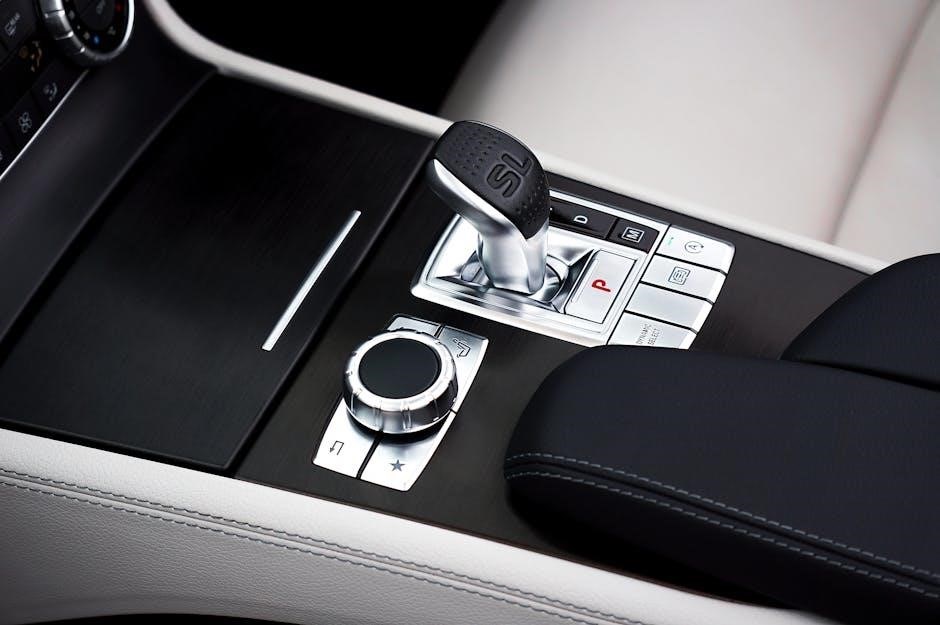
The shifter and pedal assembly are key components in a manual-to-automatic conversion kit‚ designed to replace the manual shifter and clutch pedal. The shifter is reconfigured to operate the automatic transmission‚ providing a sleek and intuitive interface for gear selection. The pedal assembly typically includes an electronic throttle and brake pedals‚ eliminating the need for a clutch pedal. These components ensure a smooth transition to automatic driving‚ with minimal effort required from the driver. Compatibility with the vehicle’s existing interior and electrical systems is critical for proper installation. Some kits may require additional modifications‚ such as wiring harness updates‚ to integrate seamlessly with the new automatic transmission system.

Mounts and Wiring Harness

The mounts and wiring harness are essential for a smooth manual-to-automatic conversion. Transmission mounts ensure the automatic unit is securely fastened‚ preventing movement and potential damage. The wiring harness connects the transmission to the vehicle’s electrical system‚ enabling communication between sensors‚ solenoids‚ and the ECU. This ensures proper gear shifting and torque converter engagement. High-quality mounts are typically made from durable materials like heavy-duty rubber or steel‚ while the wiring harness is designed for compatibility with the vehicle’s specific make and model. Proper installation of these components is critical to avoid electrical issues or vibration-related problems. They are often included in comprehensive conversion kits to simplify the installation process for both DIY enthusiasts and professionals.

Cost Considerations

Manual to automatic conversion kits typically cost between $1‚500 and $2‚500‚ with labor adding $1‚000 to $2‚000. Prices vary based on kit type‚ vehicle specifics‚ and additional modifications required.

Kit and Labor Costs

Manual to automatic conversion kits typically cost between $1‚500 and $2‚500‚ depending on the type and quality of components included. Labor costs for professional installation can range from $1‚000 to $2‚000‚ varying by mechanic expertise and location. High-end kits‚ including advanced transmissions or specialized parts‚ may exceed $3‚000. For luxury or high-performance vehicles‚ total costs can reach $5‚000 or more. DIY enthusiasts may save on labor but must ensure proper installation to avoid costly repairs. Factors such as vehicle make‚ transmission type‚ and additional modifications influence final pricing. Budgeting for potential extras‚ like adapter plates or wiring harnesses‚ is essential for a smooth conversion process.

Factors Affecting Total Cost

The total cost of a manual to automatic conversion is influenced by several factors‚ including the type of transmission and conversion kit chosen. High-performance or specialized kits‚ such as those for luxury or high-end vehicles‚ significantly increase expenses. Labor costs vary depending on the mechanic’s expertise and workshop rates. Additional components like adapter plates‚ pedal assemblies‚ and wiring harnesses add to the price. Vehicle-specific requirements‚ such as custom mounts or ECU adjustments‚ can also drive up costs. Shipping fees for rare or imported parts may apply. Furthermore‚ regional taxes and service charges contribute to the final amount. Budgeting should account for these variables to ensure a smooth and cost-effective conversion process.

Compatibility and Vehicle Suitability

Ensuring compatibility is crucial for a successful conversion. Vehicle-specific kits and professional consultations are essential to confirm suitability and avoid potential installation issues.

Checking Vehicle Compatibility

Checking vehicle compatibility is a critical step before installing a manual to automatic conversion kit. It involves verifying the make‚ model‚ and year of the vehicle to ensure the kit’s components are suitable. Experts recommend consulting with professionals to confirm compatibility and avoid potential installation issues. Vehicle-specific kits are essential to ensure a seamless transition. Additionally‚ factors such as engine type‚ transmission type‚ and existing modifications should be considered. Proper compatibility ensures optimal performance and prevents mechanical conflicts. Always refer to the manufacturer’s guidelines and seek professional advice for accurate compatibility checks. Professional consultations are essential to confirm suitability and avoid potential issues during installation.

Common Vehicles for Conversion

Popular vehicles for manual to automatic conversion include classic Ford‚ Chevrolet‚ and Mopar models‚ often using TREMEC solutions for enhanced performance. Land Rover Defenders and Toyota LandCruisers are also frequently converted‚ especially for 4WD upgrades. Modern vehicles like the Jeep Cherokee and BMW M3 CSL benefit from such conversions to improve driving comfort. Additionally‚ companies like Modern Driveline specialize in kits for Ford‚ Chevrolet‚ and Mopar applications‚ ensuring compatibility and reliability. These conversions are ideal for enthusiasts seeking to modernize their vehicles while maintaining performance. Vehicle-specific kits are essential to ensure a smooth transition and optimal results.

Installation Process

Installation involves assessing compatibility‚ replacing the manual transmission with an automatic‚ and fitting components like mounts and wiring. Professional expertise is often recommended for a smooth transition.

Step-by-Step Installation Guide

Converting a manual transmission to automatic involves several detailed steps. First‚ ensure the vehicle is lifted and the manual transmission is removed. Next‚ install the automatic transmission‚ securing it with the provided adapter plate. Replace the clutch pedal with a throttle pedal and connect the wiring harness to the vehicle’s ECU. Mount the new shifter and pedals‚ ensuring proper alignment and functionality. Finally‚ test the system to ensure smooth gear shifts and proper operation. It’s crucial to follow the manufacturer’s instructions and consider professional assistance if unfamiliar with the process. Proper installation ensures safety‚ performance‚ and longevity of the conversion.

DIY vs. Professional Installation

DIY installation of a manual to automatic conversion kit can be cost-effective for experienced enthusiasts but requires mechanical expertise and specialized tools. However‚ professionals often recommend hiring a certified mechanic due to the complexity and potential risks involved. Incorrect installation can lead to transmission failure‚ safety hazards‚ and voided warranties. DIY enthusiasts must thoroughly research and follow detailed instructions‚ while professionals ensure a seamless and reliable conversion. Balancing time‚ skill level‚ and budget is key to deciding the best approach for a successful conversion.

Potential Challenges and Solutions

Converting a manual to an automatic transmission presents several challenges‚ including compatibility issues‚ high costs‚ and complex installation processes. One major issue is ensuring the kit fits the vehicle’s make and model. To address this‚ consulting with professionals and using reputable brands is essential. Cost can be mitigated by opting for comprehensive kits that include all necessary components‚ reducing additional expenses. Installation complexity can be overcome by following detailed instructions or seeking expert help. Additionally‚ modern kits are designed to simplify the process‚ reducing the risk of errors and ensuring a smoother transition to automatic transmission.

Post-Installation Considerations

After installation‚ regular maintenance and monitoring of transmission performance are crucial. Upgrades to cooling systems or software tweaks may enhance efficiency and reduce wear on components.

Maintenance Tips

Regular maintenance is essential after installing a manual to automatic conversion kit. Ensure transmission fluid levels are checked and replaced as recommended. Inspect the wiring harness and connections for any damage or wear. Replace the transmission filter periodically to maintain optimal performance. Avoid extreme driving conditions that could strain the new system. Monitor the shifter and pedal assembly for smooth operation and address any issues promptly. Keep the cooling system in good condition to prevent overheating. Avoid aggressive driving habits that may stress the transmission. Schedule annual professional inspections to ensure everything functions correctly. Proper upkeep will extend the life of your conversion kit and maintain reliable performance.

Performance Modifications

Post-installation‚ performance modifications can further enhance your vehicle’s capabilities. Consider upgrading to a high-performance torque converter for improved acceleration and towing capacity. Installing shift kits or performance clutches can optimize gear transitions and torque delivery. Additionally‚ a transmission cooler can be added to manage heat during high-stress driving. Upgrading the driveshaft and axles ensures reliability under increased power. For enthusiasts‚ lightweight components like aluminum driveshafts can reduce rotational mass and improve responsiveness; Engine tuning or ECU remapping can also be performed to maximize power output. These modifications not only boost performance but also ensure the system operates smoothly under demanding conditions. Always consult professionals for custom upgrades to avoid compatibility issues and ensure optimal results.

Legal and Regulatory Considerations

Ensure your conversion adheres to local laws and regulations. Modifications must meet safety and emissions standards to avoid legal issues and potential fines.

Adhering to Local Regulations

When converting a manual transmission to automatic‚ it’s crucial to comply with local laws and regulations. Many jurisdictions require modifications to meet specific safety and emissions standards. Failure to adhere to these regulations can result in fines‚ legal penalties‚ or even the inability to register the vehicle. Always check with local authorities to ensure your conversion kit and installation process meet all legal requirements. Some areas may require inspections or certifications before approving the modification. Additionally‚ ensure that all components of the conversion kit are compliant with national safety standards to avoid potential issues. Proper documentation and adherence to regulations will help ensure a smooth and lawful transition to an automatic transmission system.

Case Studies and Success Stories

Real-world examples highlight the success of manual to automatic conversions. A DeLorean DMC-12 achieved faster acceleration post-conversion‚ while a Ford C4 to AOD kit improved towing performance seamlessly.

Example 1: Successful Conversion

A DeLorean DMC-12 successfully transitioned from manual to automatic using an advanced EV conversion kit. This upgrade enabled the iconic vehicle to achieve quicker acceleration‚ reaching 88mph faster than before. The conversion not only enhanced performance but also maintained the car’s timeless appeal‚ making it a standout example of modern technology blending with classic design. This case demonstrates how manual to automatic conversion kits can breathe new life into vintage cars‚ offering improved functionality while preserving their heritage.

Example 2: Another Success Story

The BMW E46 M3 CSL‚ renowned for its performance‚ underwent a conversion from its problematic SMG automated manual gearbox to a traditional automatic transmission. The SMG system‚ known for its abrupt and slow shifting‚ was replaced with a smooth-shifting automatic‚ significantly enhancing driving dynamics. This conversion not only improved acceleration and responsiveness but also provided a more refined and comfortable driving experience. The owner reported increased satisfaction‚ highlighting the effectiveness of manual to automatic conversion kits in addressing limitations of outdated or troublesome transmission systems while retaining the vehicle’s high-performance capabilities.

Choosing the Right Conversion Kit

Consider factors like vehicle compatibility‚ transmission type‚ and brand reputation when selecting a conversion kit. Ensure it fits your car’s make and model for seamless installation and performance.

Factors to Consider

When choosing a manual to automatic conversion kit‚ consider vehicle compatibility‚ transmission type‚ and cost. Ensure the kit suits your car’s make‚ model‚ and engine specifications. Check transmission type compatibility‚ such as 4-speed or 6-speed automatics. Compare kit prices and additional labor costs for installation. Brand reputation and quality are crucial for reliability. Some kits include essential components like torque converters and wiring harnesses‚ while others may require extra parts. Assess whether DIY installation is feasible or if professional expertise is needed. Lastly‚ verify warranty and customer support offered by the manufacturer to ensure a smooth transition and long-term satisfaction with your manual to automatic conversion.

Manual to automatic conversion kits provide a practical solution for enhancing driving convenience‚ fuel efficiency‚ and performance. These kits cater to various vehicle types‚ offering tailored solutions for both classic and modern cars. By transforming a manual transmission into an automatic‚ drivers can enjoy smoother rides and reduced maintenance. With options ranging from DIY installations to professional services‚ the conversion process is accessible to all skill levels. However‚ careful consideration of compatibility‚ cost‚ and installation requirements is essential for a successful transition. Ultimately‚ a manual to automatic conversion kit is a worthwhile investment for those seeking a modern driving experience without compromising their vehicle’s original charm or performance capabilities.

miller cmf 80 po furnace manual

Miller CMF 80 PO Furnace Manual: A Comprehensive Guide

This comprehensive guide provides an in-depth look at the Miller CMF 80 PO furnace manual․ It covers everything from installation to troubleshooting․ Understand your furnace better today!

The Miller CMF series furnaces represent a classic and time-honored design in heating solutions‚ known for their versatility and reliability․ These direct vent furnaces are specifically designed for manufactured housing‚ recreational vehicles‚ and residential applications․ They are often available in configurations that can be converted between power gas and power oil‚ providing flexibility for various fuel sources․ The CMF series‚ including models like the CMF 80 PG and CMF 80 PO‚ are Underwriters Laboratories Inc․ listed for use in mobile homes and recreational vehicles‚ highlighting their safety and adherence to industry standards․ These furnaces are designed as central heating units‚ especially when installed with specific outlet air bases․ They use a standard flue system and offer sealed combustion‚ enhancing efficiency and safety․ The CMF series stands as a testament to durable and adaptable heating technology suitable for diverse living environments․

Overview of the Miller CMF 80 PO Model

The Miller CMF 80 PO is a convertible furnace designed for flexibility․ It operates on power oil and can be converted to power gas․ Its heating capacity ensures efficient warmth․

Key Features and Specifications

The Miller CMF 80 PO furnace boasts several key features that make it a reliable heating solution․ Its convertible design allows for switching between power oil and power gas‚ providing flexibility based on fuel availability and cost․ The factory-set firing rate is 75‚000 BTU/hr‚ delivering a heating capacity of 60‚000 BTU/hr when using oil․ When converted‚ the firing rate can be adjusted to either 65‚000 or 85‚000 BTU/hr;

This model is specifically designed for manufactured housing and recreational vehicles‚ meeting the stringent safety and performance standards required for these applications․ It is also certified for use as a central furnace when installed with the appropriate outlet air base․ The CMF 80 PO features a direct vent system‚ ensuring efficient and safe exhaust of combustion gases․

The furnace utilizes a sealed combustion chamber and a robust heat exchanger to maximize heat transfer and minimize energy loss․ With its compact design and versatile features‚ the Miller CMF 80 PO is a dependable choice for heating various residential and recreational spaces․

Understanding the Manual: Key Sections

The manual is divided into sections for easy navigation․ These sections include installation‚ operation‚ maintenance‚ and troubleshooting․ This ensures a clear understanding of the furnace․

Installation Instructions

The installation instructions for the Miller CMF 80 PO furnace are crucial for safe and efficient operation․ Begin by carefully reviewing all safety precautions outlined in the manual before starting any installation work․ Ensure the furnace is installed according to local codes and regulations․ Proper venting is essential; utilize the correct roof jack model as specified․

The manual details the correct procedures for connecting the gas or oil supply‚ depending on your unit’s configuration․ Pay close attention to the diagrams and measurements provided to ensure proper placement and clearances․ Securely mount the furnace using appropriate hardware and supports․ For manufactured homes and recreational vehicles‚ follow the specific guidelines for these installations․

Double-check all connections for leaks before powering on the unit․ Verify the wiring is correct and that the unit is properly grounded․ After installation‚ perform a thorough system check to confirm proper operation․ If you are unsure about any step‚ consult a qualified technician․

Operating Instructions

The Miller CMF 80 PO furnace operating instructions detail how to safely and effectively use your furnace․ Before starting‚ familiarize yourself with all controls and indicators․ The manual provides step-by-step guidance on ignition procedures for both power oil and power gas models‚ ensuring a smooth start-up every time․ Understand the thermostat settings and how they affect the furnace’s operation․

Learn how to adjust the blower speed for optimal comfort and energy efficiency․ The manual includes information on setting the correct firing rate‚ which is crucial for maintaining proper heating capacity․ Regularly monitor the furnace during operation‚ paying attention to any unusual noises or smells․ If you notice anything out of the ordinary‚ immediately shut down the unit and consult the troubleshooting section․

For optimal performance‚ ensure proper airflow by keeping vents and registers clear․ Always adhere to the safety guidelines outlined in the manual to prevent accidents and ensure the longevity of your furnace․

Maintenance Guidelines

Proper maintenance is crucial for the longevity and efficient operation of your Miller CMF 80 PO furnace․ The manual outlines a schedule of regular maintenance tasks to ensure optimal performance․ Begin with monthly inspections of the air filter‚ replacing it when dirty to maintain proper airflow and prevent overheating․ Annually‚ inspect the burner and combustion chamber for any signs of corrosion or damage․

Clean the blower motor and fan blades to ensure efficient air circulation throughout your home․ Check the venting system for any obstructions or leaks‚ addressing them promptly to prevent carbon monoxide buildup․ Lubricate moving parts as recommended in the manual to reduce friction and extend their lifespan․

For power oil models‚ regularly clean the oil burner nozzle and inspect the fuel lines for leaks․ Consider scheduling a professional inspection and tune-up annually to catch any potential issues early and ensure your furnace operates safely and efficiently throughout the heating season․ Adhering to these maintenance guidelines will help you avoid costly repairs and keep your home warm and comfortable․

Troubleshooting Tips

Encountering issues with your Miller CMF 80 PO furnace? The manual provides valuable troubleshooting tips to help diagnose and resolve common problems․ Start by checking the thermostat settings and ensuring it’s properly calibrated․ If the furnace isn’t turning on‚ verify the power supply and check the circuit breaker․ A common issue is a clogged air filter‚ which can cause the furnace to overheat and shut down․

Inspect the flame sensor for dirt or damage‚ as this can prevent the furnace from igniting․ For oil furnaces‚ check the oil level and ensure the burner nozzle is clean․ If you smell gas‚ immediately shut off the gas supply and contact a qualified technician․

If the furnace cycles on and off frequently‚ it could indicate a problem with the limit switch or a blocked vent․ Refer to the manual’s troubleshooting chart for specific error codes and their corresponding solutions․ Remember‚ safety is paramount; if you’re uncomfortable performing any repairs‚ always consult a qualified HVAC professional․

Converting the CMF 80 PO: Power Oil to Power Gas

The Miller CMF 80 PO furnace is convertible‚ meaning it can switch from power oil to power gas․ This section details the conversion process․

Conversion Kit Information

Converting your Miller CMF 80 PO furnace from power oil to power gas requires a specific conversion kit․ This kit contains all the necessary components to safely and effectively make the switch․ The kit typically includes a new gas burner assembly‚ gas valve‚ and related fittings․ Ensure that the conversion kit is specifically designed for the CMF 80 PO model to guarantee compatibility and proper operation․

Using the correct conversion kit is crucial for safety and performance․ Improper components can lead to dangerous situations‚ such as gas leaks or inefficient combustion․ Consult the furnace manual for the precise part number and specifications of the recommended conversion kit․ Furthermore‚ it is highly recommended that a qualified HVAC technician perform the conversion to ensure it is done correctly and safely․ The technician will have the expertise to properly install the kit and adjust the furnace for optimal performance with gas․ Remember to always prioritize safety when dealing with gas appliances․

Finding the Right Manual

Locating the correct Miller CMF 80 PO furnace manual is essential for proper maintenance and operation․ Utilize online resources to find the exact manual you need․

Online Resources for Manual Downloads

Finding the Miller CMF 80 PO furnace manual online is easier than ever‚ thanks to numerous resources available․ Websites dedicated to appliance manuals‚ such as ManualsLib and similar platforms‚ often host a variety of manuals for different furnace models‚ including the CMF 80 PO․

Manufacturer websites‚ like Nordyne (if they still support this older model)‚ can also be a valuable source․ These sites may offer downloadable PDFs of the original manual‚ ensuring you have accurate and complete information․ Online forums and communities dedicated to HVAC systems can also provide links to manuals or offer assistance in locating a copy․

Always verify the manual’s version and applicability to your specific furnace model before downloading․ Using the wrong manual can lead to incorrect maintenance procedures or troubleshooting steps․ Ensure the manual covers the “PO” (Power Oil) variant of the CMF 80 series for accurate guidance․

Safety Precautions and Warnings

Prioritize safety! The Miller CMF 80 PO furnace manual highlights critical safety precautions․ Adhering to these warnings prevents accidents and ensures safe furnace operation․ Read carefully!

Important Safety Information from the Manual

The Miller CMF 80 PO furnace manual emphasizes several crucial safety aspects that homeowners and technicians must understand․ Firstly‚ always disconnect the power supply before performing any maintenance or repairs․ This prevents electrical shock and potential injuries․ Secondly‚ ensure proper ventilation around the furnace to avoid carbon monoxide buildup‚ a silent and deadly threat․

The manual also details specific warnings regarding flammable materials․ Keep such materials away from the furnace to prevent fire hazards․ Furthermore‚ regular inspections of the venting system are crucial to ensure proper exhaust of combustion gases․ Any leaks or blockages should be addressed immediately by a qualified technician․

Never tamper with the safety controls or override any safety features․ These are in place to protect you and your property․ In the event of a gas leak‚ evacuate the premises immediately and contact the gas company or fire department․ Familiarize yourself with the emergency shutdown procedures outlined in the manual․ Ignoring these safety guidelines can lead to serious consequences․

ge profile window air conditioner manual

Welcome to the comprehensive guide for your GE Profile Window Air Conditioner. This manual provides essential information for optimal use. It covers everything from installation to maintenance and troubleshooting‚ for a seamless and comfortable experience. Here you will find details on features‚ operation and safety precautions.

GE Profile window air conditioners are designed with a focus on delivering both exceptional cooling performance and user convenience. These units are engineered to fit seamlessly into traditional window styles‚ offering a straightforward EZ-mount installation process. With a commitment to quality‚ GE Profile aims to provide solutions for various room sizes‚ ensuring optimal comfort with minimal noise disruption. These air conditioners are not just about cooling; they integrate advanced technology‚ like WiFi connectivity‚ offering versatile and user-friendly operation through the SmartHQ app. The brand is dedicated to creating products that enhance your living space while providing practical and efficient cooling solutions. Models like the ClearView series exemplify this commitment‚ combining functionality with a sleek design that allows more natural light into the room. GE Profile window air conditioners stand as a testament to innovation and quality in home climate control. They are also verified by UL for secure IoT practices.

Key Features of GE Profile Air Conditioners

GE Profile air conditioners boast a range of key features designed to enhance user experience and efficiency. A prominent feature is their ultra-quiet operation‚ making them the quietest window air conditioner brand in the United States‚ ensuring minimal disruption. Many models incorporate WiFi connectivity‚ enabling remote control and management through the SmartHQ app. This app allows users to connect‚ control‚ and manage their GE and GE Profile appliances from anywhere. The innovative ClearView design‚ particularly in models like the AHTT08BC‚ provides a below-the-sill installation‚ maximizing natural light and offering a full view of the outside. Furthermore‚ the EZ-mount system simplifies the installation process‚ often negating the need for a mounting bracket. Energy efficiency is also a key focus‚ with several models earning the ENERGY STAR certification. These units are available in various BTU capacities‚ catering to different room sizes‚ from small to large areas. These features blend to deliver comfort‚ convenience‚ and efficiency.

Understanding the ClearView Design

The ClearView design of GE Profile window air conditioners represents a significant advancement in both aesthetics and functionality. Unlike traditional units that obstruct a considerable portion of the window‚ ClearView models‚ such as the AHTT08BC series‚ are designed to sit below the window sill. This innovative approach allows for an unobstructed view of the outdoors‚ maximizing natural light entry into the room. This design not only enhances the visual appeal of the space but also contributes to a more open and less confined feeling; The sleek profile of the ClearView units blends seamlessly with modern interiors‚ making them less obtrusive. Furthermore‚ by positioning the unit lower‚ the window retains its primary function of providing light and views‚ a critical aspect often compromised by traditional window AC units. The ClearView design represents a thoughtful combination of cooling efficiency and design aesthetics‚ providing a superior user experience.

Installation Procedures and EZ-Mount System

GE Profile window air conditioners are designed with user-friendly installation in mind‚ featuring the innovative EZ-Mount system. This system simplifies the setup process‚ making it easier for users to install the unit without requiring complex tools or extensive technical knowledge. The EZ-Mount system typically involves a combination of adjustable brackets and support structures that securely hold the air conditioner in place within the window frame. This design minimizes the need for drilling or permanent modifications to the window‚ making it suitable for a variety of window types. The installation process typically involves placing the unit in the window‚ extending the side panels‚ and securing it using the provided hardware. Always ensure that the unit is properly supported and level to ensure optimal performance and to prevent potential issues. The specific steps may vary slightly depending on the model‚ so referring to the detailed instructions provided in the manual is crucial. The EZ-Mount system aims to make installation hassle-free and safe.

WiFi Connectivity and SmartHQ App Usage

GE Profile window air conditioners often come equipped with WiFi connectivity‚ allowing for enhanced control and convenience via the SmartHQ app. This feature enables users to manage their air conditioner remotely‚ adjusting settings and monitoring performance from their smartphones or tablets. To connect your air conditioner to WiFi‚ follow the detailed instructions provided in the manual‚ which typically involves downloading the SmartHQ app and following on-screen prompts. The app allows you to control various functions‚ such as temperature‚ fan speed‚ and operating mode‚ no matter where you are. You can also create schedules to automatically turn the unit on or off at specific times‚ optimizing energy usage and comfort. The SmartHQ app also provides notifications and alerts‚ keeping you informed of any issues or maintenance needs. This connectivity feature makes it easier to integrate your air conditioner into a smart home ecosystem. The SmartHQ app is your key to unlocking the full potential of your GE Profile air conditioner.

Operating Modes and Fan Speed Adjustments

GE Profile window air conditioners offer various operating modes and fan speed adjustments to cater to different cooling needs and preferences. Common operating modes include Cool‚ Fan‚ and Eco. The Cool mode provides maximum cooling power‚ while the Fan mode circulates air without cooling. The Eco mode is designed to save energy by optimizing cooling cycles. Fan speed adjustments allow you to control the airflow within the room‚ typically with low‚ medium‚ and high settings. Adjusting the fan speed can impact the cooling power and noise level of the unit. These settings can be controlled directly on the unit’s control panel or via the SmartHQ app if the unit is WiFi-enabled. Some models might also include a Sleep mode‚ which gradually adjusts the temperature overnight for more comfortable sleep. Understanding the various modes and fan speed options ensures that you can customize your cooling experience to your specific requirements. Refer to the manual for detailed instructions on accessing and using these features. Proper use of the operating modes and fan speed adjustments can lead to energy savings and improved comfort.

Troubleshooting Common Issues

Encountering issues with your GE Profile window air conditioner can be frustrating‚ but many problems have simple solutions. Common issues include the unit not turning on‚ inadequate cooling‚ unusual noises‚ and water leaks. If the unit does not power on‚ check the power cord and circuit breaker. If cooling is insufficient‚ ensure the air filters are clean and that the unit is sized appropriately for the room. Strange noises might indicate a loose part or an obstruction. Water leaks can be caused by incorrect installation or a clogged drain. For WiFi-enabled models‚ connection issues can occur. The SmartHQ app might require a reset or the unit may need to be “forgotten” and reconnected. Always consult the user manual for detailed troubleshooting steps before attempting any repairs. If issues persist‚ contact a qualified technician or GE customer support. Proper maintenance and timely attention to unusual symptoms can prevent more serious problems from developing.

Maintenance and Cleaning Guidelines

Regular maintenance is crucial for the longevity and efficient operation of your GE Profile window air conditioner. Cleaning the air filters is essential and should be done every two weeks or more often‚ depending on usage and environmental conditions. Dirty filters reduce airflow and cooling efficiency. Remove the filters carefully and wash them with mild soap and water‚ ensuring they are completely dry before reinserting them. The exterior of the unit should also be cleaned regularly with a damp cloth to remove dust and debris. Inspect the unit for any obstructions that might hinder airflow. Additionally‚ check the drain for any clogs that could lead to water leakage. Periodically‚ inspect the unit’s seals and gaskets to ensure proper insulation. If you notice any loose parts or unusual wear‚ contact a qualified technician for assessment. By keeping your GE Profile window air conditioner clean and well-maintained‚ you can ensure its optimal performance for years to come.

Winter Storage and Protection

Proper winter storage is essential to protect your GE Profile window air conditioner from damage during the off-season. If possible‚ it is recommended to remove the unit from the window and store it in a dry‚ protected area. If removal is not feasible‚ ensure that the outdoor section of the unit is completely covered with a suitable air conditioner cover to prevent cold air drafts and the entry of moisture and debris. Thoroughly clean the unit before storage‚ following the maintenance guidelines‚ paying particular attention to the air filters and exterior casing. Make sure that all vents and louvers are sealed and covered to avoid any cold air infiltration into the room. Do not leave the unit exposed to the elements. If you need to store the unit in a basement‚ ensure that it is kept away from any potential water sources or areas prone to humidity. Proper winter storage will extend the life of your air conditioner and ensure it is ready for use next season.

Safety Precautions and Electrical Requirements

Prioritize safety while using your GE Profile window air conditioner by adhering to these crucial precautions and electrical requirements. Always ensure that the unit is properly grounded in accordance with local electrical codes to prevent electrical hazards. All electrical work related to installation or maintenance must be performed by a licensed technician. Do not attempt to disassemble or repair the unit yourself‚ as this could lead to serious injury or damage. Before installation‚ verify the power source meets the voltage requirements specified on the unit’s label. Never unplug the air conditioner by pulling the power cord; instead‚ use the power switch or unplug it directly from the wall outlet. Avoid using extension cords‚ as they can overheat and pose a fire risk; plug the unit directly into a dedicated outlet. Ensure the unit is not used in areas that are prone to water or excessive moisture. Keep the air conditioner and power cord away from sources of heat and open flames.

Specific Model Manuals (AHTT08BC‚ PHC08LY etc.)

This section provides information on specific GE Profile window air conditioner models‚ including AHTT08BC‚ PHC08LY‚ and others. Each model has its unique features‚ specifications‚ and operating characteristics‚ and it’s important to consult the manual relevant to your unit. The AHTT08BC‚ known for its ClearView design‚ offers an 8300 BTU cooling capacity for medium-sized rooms and is designed for easy installation. The PHC08LY model‚ also an 8200 BTU unit‚ focuses on ultra-quiet operation. These manuals provide detailed instructions on use‚ maintenance‚ and troubleshooting. You’ll find information on the specific control panels‚ operating modes‚ and features available for your chosen model. Always refer to your model’s specific manual for accurate and detailed instructions. Detailed specifications such as the cooling capacity‚ energy efficiency ratings‚ and compatibility with SmartHQ apps are also covered. This section ensures you have the right information for your specific air conditioner.

Support and Warranty Information

This section details the support resources and warranty information for your GE Profile window air conditioner. Should you encounter any issues or have questions about your unit‚ GE Appliances offers various support channels to assist you. You can access customer service through their website‚ phone support‚ or by referring to the frequently asked questions available online. The warranty information outlines the coverage period and the specific components of your air conditioner that are protected against defects. It’s essential to register your appliance online to ensure seamless warranty claim processing. The warranty usually covers parts and labor for a specified period‚ and it’s important to keep your purchase receipt for proof of ownership. Detailed information on how to file a warranty claim‚ if necessary‚ can be found on the GE Appliances website or in the included documentation. Knowing the terms of your warranty and how to access support will ensure that you can promptly address any issues that may arise with your unit. Furthermore‚ this section guides you on how to find user manuals‚ troubleshooting guides‚ and other useful resources.

instruction manual for kenwood 7400 receiver

The Kenwood 7400 Receiver is a vintage stereo component, view and download service manual online, sign in to upload, with 36 pages of hl/fi stereo components, available for free online viewing or downloading in PDF format now easily.

Overview of the Kenwood 7400 Receiver

The Kenwood 7400 Receiver is a stereo component that was manufactured between 1974 and 1976, it has a tuning range of FM and MW, and it is possible to examine each page of the guide singly by using the scroll bar.

According to the information available, the receiver has a special feature that permits tapedubbing from one recorder to another while listening to a completely different source, and it also has a 4-CH OUT-IN for those who want to enjoy 4-channel reproduction.

The receiver’s manual is available for free online viewing or downloading in PDF format, and it contains 56 pages of information, including a service manual and a user guide, the manual is a laser black and white reprint copy, and it is a 2-in-1 combination manual.

The Kenwood 7400 Receiver’s manual is a valuable resource for anyone who owns this vintage stereo component, it provides detailed information on how to use and maintain the receiver, and it is a must-have for anyone who wants to get the most out of their Kenwood 7400 Receiver.

The manual is available in English, and it can be downloaded from the internet, it is also possible to view the manual online without downloading it, the manual is a useful tool for anyone who wants to learn more about the Kenwood 7400 Receiver and how to use it.

Features of the Kenwood 7400 Receiver

The Kenwood 7400 has independent tape monitor circuits and 4-CH OUT-IN for 4-channel reproduction, with a tuning range of FM and MW, making it a versatile stereo component with various features and capabilities available.

Tuning Range and Capabilities

The Kenwood 7400 Receiver has a tuning range that includes FM and MW, allowing users to access a wide range of radio frequencies. This feature enables users to listen to their favorite radio stations, whether they are broadcasting in FM or MW. The receiver’s tuning capabilities are designed to provide clear and stable reception, with minimal interference or distortion. With its ability to tune into different frequency ranges, the Kenwood 7400 Receiver offers users a high degree of flexibility and convenience. The receiver’s tuning range and capabilities are fully explained in the instruction manual, which provides detailed information on how to operate the receiver and access its various features. The manual also includes troubleshooting guides and maintenance tips to help users get the most out of their receiver. By following the instructions and guidelines provided in the manual, users can optimize the performance of their Kenwood 7400 Receiver and enjoy high-quality sound and reliable operation. Overall, the Kenwood 7400 Receiver’s tuning range and capabilities make it a versatile and user-friendly component.

Independent Tape Monitor Circuits

The Kenwood 7400 Receiver features independent tape monitor circuits, which allow users to dub tapes from one recorder to another while listening to a different source, such as an FM broadcast. This feature is particularly useful for music enthusiasts who want to create mix tapes or record their favorite radio shows. The independent tape monitor circuits provide a high degree of flexibility and convenience, enabling users to perform multiple tasks simultaneously. The instruction manual for the Kenwood 7400 Receiver provides detailed information on how to use this feature, including step-by-step instructions and diagrams. By following the guidelines outlined in the manual, users can take full advantage of the receiver’s independent tape monitor circuits and enjoy a more versatile and user-friendly listening experience. The receiver’s ability to support 4-channel reproduction through its 4-CH OUT-IN connections is also notable, allowing users to connect a SQ, RM, or CD-1 type decoder for an enhanced listening experience. This feature is fully explained in the instruction manual, which provides users with a comprehensive understanding of the receiver’s capabilities.

Instruction Manual for the Kenwood 7400 Receiver

The manual is a 20 page user guide, available for free online viewing or downloading in PDF format, containing instructions and diagrams for operating the receiver.

Service Manual and User Guide

The service manual and user guide for the Kenwood 7400 Receiver is a comprehensive document that provides detailed instructions for operating, maintaining, and troubleshooting the device. The manual is available for free online viewing or downloading in PDF format, and it contains 36 pages of information, including diagrams and schematics. The user guide section of the manual provides step-by-step instructions for setting up and using the receiver, while the service manual section provides technical information and repair procedures for authorized service personnel. The manual is written in clear and concise language, making it easy to understand and follow, even for those who are not familiar with electronics or stereo equipment. Overall, the service manual and user guide is an essential resource for anyone who owns or plans to purchase a Kenwood 7400 Receiver, as it provides the information needed to get the most out of the device and to keep it in good working order. The manual can be downloaded from various online sources, including the manufacturer’s website and online marketplaces.

Downloading the Manual

To download the instruction manual for the Kenwood 7400 Receiver, users can visit the manufacturer’s website or online marketplaces such as Amazon or eBay. The manual is available in PDF format and can be downloaded for free or for a small fee, depending on the source. Users can search for the manual by typing in the model number and the keywords “instruction manual” or “user guide”. Once the manual is downloaded, it can be saved to a computer or mobile device for easy reference. The manual can also be printed out if a hard copy is preferred. It is important to note that the manual is subject to copyright and should only be downloaded from authorized sources to avoid any legal issues. Additionally, users should be cautious when downloading files from the internet to avoid any potential viruses or malware. By downloading the manual, users can have access to the information they need to operate and maintain their Kenwood 7400 Receiver. The manual is a valuable resource that can help users get the most out of their device.

Specifications of the Kenwood 7400 Receiver

The Kenwood 7400 Receiver has technical specifications, including tuning range and frequency response, with detailed information available online for user reference now easily.

Technical Specifications

The Kenwood 7400 Receiver has a range of technical specifications that make it a high-quality stereo component. According to the instruction manual, the receiver has a tuning range of FM and MW, allowing users to access a wide range of radio stations. The technical specifications also include details on the receiver’s frequency response, which is an important factor in determining the overall sound quality. Additionally, the receiver has a number of other technical specifications, including its power output and impedance, which are all detailed in the instruction manual. The manual provides a comprehensive overview of the receiver’s technical specifications, making it a valuable resource for users who want to get the most out of their stereo system. With its detailed technical specifications, the Kenwood 7400 Receiver is a great choice for anyone looking for a high-quality stereo component. The receiver’s technical specifications are also available online, making it easy for users to access the information they need. Overall, the Kenwood 7400 Receiver’s technical specifications make it a great choice for anyone looking for a high-quality stereo component.

Dimensions and Weight

The Kenwood 7400 Receiver has a compact design, making it a great fit for any home stereo system. According to the instruction manual, the receiver’s dimensions are carefully detailed, allowing users to plan their stereo system layout with ease. The manual provides information on the receiver’s height, width, and depth, as well as its weight, which is an important factor to consider when choosing a stereo component. The receiver’s dimensions and weight are also important considerations for users who plan to move their stereo system frequently. With its compact design and relatively lightweight construction, the Kenwood 7400 Receiver is a great choice for anyone looking for a versatile and portable stereo component. The manual’s detailed information on the receiver’s dimensions and weight makes it a valuable resource for users who want to get the most out of their stereo system. The receiver’s size and weight are also compared to other similar stereo components, making it easy for users to choose the best option for their needs. Overall, the Kenwood 7400 Receiver’s dimensions and weight make it a great choice for anyone looking for a high-quality and versatile stereo component.

4l60 rebuild manual

The 4L60 rebuild manual is a comprehensive guide providing detailed instructions and diagrams for rebuilding the transmission with confidence using a rebuild kit and necessary tools and equipment every time․

Overview of the 4L60 Transmission

The 4L60 transmission, also known as the THM700R4, has been widely used in late-model GM rear wheel drive vehicles, including cars and lighter-duty pickup trucks, for over two decades․
The General Motors 4L60 has become one of the most popular transmissions found in these vehicles․
The 4L60 transmission has been used in various applications, including stock motors and otherwise stock trucks, where it has proven to be reliable and efficient․
The transmission’s design and functionality have made it a favorite among vehicle owners and mechanics alike․
With its computer-controlled version, the 4L60E, the transmission has become even more widely used and respected․
The 4L60 transmission’s popularity can be attributed to its ability to provide smooth and efficient gear shifting, making it an ideal choice for a variety of driving conditions․
Overall, the 4L60 transmission is a reliable and efficient transmission that has become a staple in the automotive industry․
Its widespread use and popularity have made it a focus of attention for rebuild and repair efforts, with many resources available for those looking to overhaul or repair their 4L60 transmission․
The transmission’s design and functionality make it an important component of any vehicle, and its reliability and efficiency have made it a favorite among vehicle owners and mechanics․

Importance of a Rebuild Manual

A rebuild manual is a crucial resource for anyone looking to overhaul or repair their 4L60 transmission․
The manual provides detailed instructions, diagrams, and specifications that help individuals rebuild their transmission with confidence․
Having a rebuild manual can save time and money by providing a step-by-step guide on how to repair or replace damaged components․
It also helps to ensure that the transmission is rebuilt correctly, reducing the risk of further damage or premature wear․
A rebuild manual is especially important for those who are new to transmission repair, as it provides a comprehensive guide on how to diagnose and fix common problems․
The manual can also be used as a reference guide for experienced mechanics, helping them to troubleshoot and repair complex issues․
Overall, a rebuild manual is an essential tool for anyone looking to rebuild or repair their 4L60 transmission, providing the necessary information and guidance to get the job done correctly and efficiently․
The manual’s importance cannot be overstated, as it helps to ensure that the transmission is rebuilt to last, providing reliable and efficient performance for years to come․

Tools and Equipment Needed

Specialized tools like dial caliper and snap ring pliers are necessary for rebuilding the transmission with precision and accuracy every time using a rebuild kit․

Basic Tools Required

To start the rebuild process, several basic tools are required, including a dial caliper, gap gauge, and snap ring pliers․ These tools will help with measuring and removing parts․ A rebuild kit usually includes the necessary gaskets and seals․ Additionally, a workbench and vice are necessary for holding the transmission in place․ Other essential tools include a socket set, wrenches, and pliers․ Having these basic tools will make the rebuild process easier and more efficient․ It is also important to have a clean and well-lit workspace to ensure accuracy and avoid mistakes․ With the right tools and a bit of patience, rebuilding the transmission can be a successful DIY project․ The key is to take your time and follow the instructions carefully․ By having the necessary basic tools, you will be well on your way to completing a successful rebuild․ This will save time and money in the long run․

Additional Resources

In addition to the basic tools and rebuild kit, there are several other resources that can be helpful when rebuilding the transmission․ A DVD or video guide can provide step-by-step instructions and visual guidance․ An ATSG manual is also a valuable resource, providing detailed information and specifications for the rebuild process․ Online forums and communities can also be a great source of information and support, allowing you to connect with others who have experience with the rebuild process․ Furthermore, a website or online database with technical information and diagrams can be a useful reference point․ Having access to these additional resources can help to ensure a successful rebuild and provide peace of mind․ They can also help to troubleshoot any issues that may arise during the process․ With the right combination of tools, resources, and knowledge, rebuilding the transmission can be a rewarding and cost-effective project․ These resources can be found online or through automotive repair shops․

Rebuild Process

Rebuilding the transmission involves a series of steps and procedures using specialized tools and equipment every time carefully․

Assessing Transmission Condition

To determine if a rebuild is necessary, it is essential to assess the transmission condition․ This involves evaluating the transmission’s performance, checking for any signs of damage or wear, and identifying any potential problems․ The assessment process typically begins with a visual inspection of the transmission, looking for any signs of leaks, damage, or excessive wear on the components․ Additionally, the transmission’s performance is evaluated, including its ability to shift gears smoothly and maintain the correct gear ratio․ The results of the assessment will help determine the best course of action, whether it be a rebuild or replacement of the transmission․ By carefully evaluating the transmission condition, individuals can make informed decisions about the necessary repairs and ensure the transmission is functioning properly․ The assessment process is a critical step in the rebuild process, and it is essential to be thorough and meticulous in evaluating the transmission’s condition․

Rebuild Kit Options

When it comes to rebuilding a 4L60 transmission, there are various rebuild kit options available․ These kits typically include all the necessary components, such as gaskets, seals, bearings, and clutch packs, to restore the transmission to its original condition․ Some rebuild kits may also include additional components, such as a new torque converter or transmission pan, to provide extra value․ It is essential to choose a rebuild kit that is specifically designed for the 4L60 transmission and meets the individual’s needs and budget․ There are also different levels of rebuild kits available, ranging from basic to master kits, which include all the necessary components for a complete rebuild․ By selecting the right rebuild kit, individuals can ensure that their transmission is rebuilt with the highest quality components and will provide reliable performance for years to come․ The rebuild kit options are designed to make the rebuilding process easier and more efficient․

Common Problems and Fixes

Transmission issues include slipping, hesitation, and overheating, requiring diagnostic checks and repairs using a 4L60 rebuild manual and necessary tools and equipment always․

Known Problems with 4L60 Transmissions

The 4L60 transmission is known to have several common problems, including slipping, hesitation, and overheating, which can be caused by worn or damaged components, such as clutch packs, bands, and seals․
These problems can be diagnosed using a variety of methods, including visual inspections, pressure tests, and performance tests, and can be repaired using a rebuild kit and necessary tools and equipment․
The 4L60 transmission is also prone to problems with its torque converter, which can cause issues with the transmission’s ability to engage and disengage properly;
Additionally, the transmission’s solenoid pack can also be a source of problems, as it can cause issues with the transmission’s shifting and pressure control․
By understanding these common problems and how to diagnose and repair them, transmission rebuilders can help to ensure that the 4L60 transmission is functioning properly and reliably․
Overall, the 4L60 transmission is a complex component that requires regular maintenance and repair to function properly․

Diagnostic Checks

Diagnostic checks are an essential step in the transmission rebuild process, allowing rebuilders to identify problems and determine the best course of action․
The process typically begins with a visual inspection of the transmission and its components, looking for signs of wear, damage, or leaks․
Next, rebuilders may use specialized tools, such as pressure testers and scan tools, to diagnose problems with the transmission’s hydraulic system and computer controls․
The transmission’s performance can also be evaluated using a dynamometer or other testing equipment, helping to identify issues with the transmission’s shifting, torque converter, and other components․
By performing these diagnostic checks, rebuilders can gain a thorough understanding of the transmission’s condition and make informed decisions about the repair process․

This helps to ensure that the rebuilt transmission functions properly and reliably, and that any potential problems are addressed before the transmission is returned to service․

The diagnostic check process is critical to a successful rebuild․

cuisinart 2 qt ice cream maker manual

The Cuisinart 2 Qt Ice Cream Maker manual provides guidance on operating and maintaining the device for optimal results, with step-by-step instructions and expert tips for creating frozen treats easily always.

Overview of the Product

The Cuisinart 2 Qt Ice Cream Maker is a fully automatic frozen dessert maker that can produce 2 quarts of ice cream, frozen yogurt, or sorbet in as little as 25 minutes. The device features an integrated motor, double-insulated freezer bowl, and automatic mixing paddle, making it easy to use and clean. The Cuisinart 2 Qt Ice Cream Maker has a brushed metal styling that is both durable and aesthetically pleasing. With its ability to make a variety of frozen desserts, this device is perfect for those who want to create their own unique flavors and treats at home. The product is designed to be user-friendly, with a simple and intuitive interface that allows users to easily select their desired settings and monitor the progress of their frozen dessert. Overall, the Cuisinart 2 Qt Ice Cream Maker is a versatile and convenient appliance that can help users create delicious frozen treats with ease.

Key Features of the Cuisinart 2 Qt Ice Cream Maker

Automatic mixing and freezing with double-insulated freezer bowl and integrated motor always ensures perfect results easily and quickly every time with Cuisinart ice cream maker devices at home.

Automatic Mixing and Freezing

The Cuisinart 2 Qt Ice Cream Maker features automatic mixing and freezing, allowing users to create their favorite frozen treats with ease. This process is made possible by the integrated motor and double-insulated freezer bowl, which work together to ensure perfect results every time. The automatic mixing paddle does all the work, consistently producing smooth and creamy textures. With this feature, users can enjoy soft ice cream in as little as 20 minutes, depending on the recipe and volume of the dessert being made. The device is also equipped with a safety feature that prevents accidents and ensures a safe and enjoyable ice cream making experience. Overall, the automatic mixing and freezing feature of the Cuisinart 2 Qt Ice Cream Maker makes it easy to create delicious homemade ice cream, frozen yogurt, and other frozen treats. The device is perfect for anyone looking to make frozen desserts at home.

Operating the Cuisinart 2 Qt Ice Cream Maker

Follow the user manual for easy operation and maintenance of the device always.

Step-by-Step Instructions

To operate the Cuisinart 2 Qt Ice Cream Maker, start by pre-freezing the double-insulated freezer bowl for at least 6 hours. Next, combine your desired ingredients in a mixing bowl and pour them into the freezer bowl. Place the bowl into the ice cream maker and secure the lid. Choose your desired setting and let the machine do the work. The automatic mixing paddle will ensure that your ingredients are thoroughly mixed and aerated. After 20-30 minutes, your ice cream will be ready. The machine will stop automatically when the mixing is complete. Remove the bowl from the machine and transfer the ice cream to an airtight container. Place the container in the freezer to harden for at least 2 hours. Once hardened, your homemade ice cream is ready to be enjoyed. Follow these step-by-step instructions for perfect results every time, and refer to the user manual for any additional guidance or troubleshooting.

Maintenance and Cleaning

Cuisinart 2 Qt Ice Cream Maker requires regular cleaning and maintenance for optimal performance always using mild soap and water to prevent damage.

Easy Cleanup and Maintenance

The Cuisinart 2 Qt Ice Cream Maker is designed with easy cleanup and maintenance in mind, featuring a removable bowl and mixing paddle that can be washed with mild soap and water.
The device also has a smooth and sleek design that prevents ice cream from sticking to it, making it easy to wipe clean with a damp cloth.
Regular cleaning and maintenance are essential to prevent bacterial growth and ensure the device continues to function optimally.
It is recommended to clean the device after each use and to dry it thoroughly to prevent water spots.
Additionally, the device should be descaled regularly to prevent mineral buildup.
By following these simple cleaning and maintenance steps, users can enjoy their Cuisinart 2 Qt Ice Cream Maker for a long time and make delicious ice cream with ease.
The device’s easy cleanup and maintenance make it a great addition to any kitchen.

Recipes and Tips

Discover delicious recipes and expert tips for making perfect frozen treats with the Cuisinart 2 Qt Ice Cream Maker always using simple ingredients easily.

Expert Tips for Perfect Frozen Treats

To achieve perfect frozen treats with the Cuisinart 2 Qt Ice Cream Maker, it is essential to follow some expert tips.
Using the right ingredients, such as fresh fruits and high-quality cream, can make a significant difference in the taste and texture of the final product.
Additionally, ensuring that the ingredients are chilled before use can help to speed up the freezing process and result in a smoother consistency.
It is also crucial to not overmix the ingredients, as this can lead to an icy texture.
By following these tips and experimenting with different recipes, users can create a wide range of delicious frozen treats with the Cuisinart 2 Qt Ice Cream Maker.
The machine’s ease of use and versatility make it an ideal choice for anyone looking to make homemade ice cream, frozen yogurt, or sorbet.
With a little practice and patience, users can become experts in creating perfect frozen treats with the Cuisinart 2 Qt Ice Cream Maker.

heatilator gas fireplace user manual

Heatilator Gas Fireplace User Manual: A Comprehensive Guide

This guide serves as your primary resource for understanding and enjoying your Heatilator gas fireplace. It contains vital information‚ including safety guidelines‚ installation steps (if applicable)‚ operating instructions‚ maintenance tips‚ and troubleshooting advice. Please read thoroughly to ensure safe and optimal performance.

Heatilator gas fireplaces represent a leap forward in home heating and ambiance‚ offering a clean and efficient alternative to traditional wood-burning fireplaces. Renowned for their safety‚ reliability‚ and efficiency‚ Heatilator fireplaces bring warmth and elegance to any living space. This user manual will guide you through the features and functionalities‚ ensuring you extract the most value from your investment.

Heatilator continually amazes consumers with innovative and rational solutions. Many models utilize vent technology‚ drawing outside air for combustion‚ which leads to nearly complete displacement of combustion products and exhaust gases. Furthermore‚ IntelliFire intermittent ignition technology efficiently saves fuel and reduces operational costs. Whether you have a traditional or modern aesthetic‚ a Heatilator gas fireplace seamlessly integrates into your home decor. This guide covers everything from initial setup to long-term maintenance‚ ensuring years of trouble-free enjoyment;

Welcome to the Heatilator family of fireplace products!

Safety Precautions and Warnings

Prioritizing safety is paramount when operating any gas appliance. This section outlines crucial precautions and warnings to prevent potential hazards associated with your Heatilator gas fireplace. Before installation or operation‚ carefully review these guidelines to ensure a safe environment for you and your family.

Installation and service should only be performed by qualified personnel‚ adhering strictly to local codes and regulations. Never attempt to modify or alter the fireplace’s components‚ as this could compromise its safety features. Regularly inspect the fireplace and its venting system for any signs of damage or deterioration. Ensure that the area surrounding the fireplace is clear of combustible materials‚ such as furniture‚ drapes‚ and paper.

Be vigilant for unusual odors or sounds during operation‚ which may indicate a malfunction. In such cases‚ immediately turn off the fireplace and contact a qualified technician for inspection. Never leave the fireplace unattended while in use‚ especially if children or pets are present. Educate all household members about the safe operation of the fireplace and the importance of adhering to these safety precautions. By following these guidelines‚ you can enjoy the warmth and ambiance of your Heatilator gas fireplace with peace of mind.

Installation Guide

Proper installation is crucial for safe and efficient operation. This section provides a comprehensive guide for installing your Heatilator gas fireplace‚ covering pre-installation checks‚ step-by-step instructions‚ and gas connection procedures. Always consult a qualified professional for installation.

Pre-Installation Checklist

Before you begin the installation process‚ carefully review this checklist to ensure a smooth and safe setup. First‚ verify that you have all the necessary components as listed in the product manual. Check for any shipping damage and report it immediately to your dealer. Confirm that the fireplace model is compatible with the type of gas available (natural gas or propane) and that the gas supply line is properly sized and equipped with a shut-off valve.

Ensure the fireplace location meets all clearance requirements specified in the manual‚ including distances to combustible materials. Check that the venting system is appropriate for your fireplace model and complies with local building codes. Inspect the chimney or vent chase for any obstructions or damage. Gather all required tools‚ such as a level‚ drill‚ pipe wrench‚ and gas leak detector.
Obtain any necessary permits from local authorities before starting the installation. Review the entire installation manual to familiarize yourself with each step. If you are not comfortable performing the installation yourself‚ hire a qualified professional. Finally‚ double-check all measurements and clearances to avoid costly mistakes.

Step-by-Step Installation Instructions

These instructions provide a general overview of the installation process. Always refer to your specific Heatilator model’s manual for detailed instructions and diagrams. Begin by positioning the fireplace in its designated location‚ ensuring it is level and stable. Secure the fireplace to the framing using appropriate fasteners‚ following the guidelines in the manual.

Next‚ install the venting system according to the manufacturer’s specifications‚ paying close attention to joint connections and sealing to prevent leaks. Ensure the vent termination is properly positioned and meets all clearance requirements. Run the gas supply line to the fireplace location‚ ensuring it is properly sized and installed according to local codes. Connect the gas line to the fireplace’s gas valve‚ using pipe sealant to prevent leaks.

Install any electrical wiring required for the fireplace‚ such as for the fan or ignition system‚ following all electrical codes. Install the decorative front‚ log set‚ or other accessories according to the manual’s instructions. Before proceeding‚ double-check all connections and clearances. Finally‚ conduct a thorough inspection of the entire installation to ensure it meets all safety and code requirements.

Gas Connection Procedures

Prior to initiating any gas connection procedures‚ ensure that the main gas supply is shut off at the source. This is a critical safety precaution. It is highly recommended to have a qualified gas technician perform the gas connection. Locate the gas inlet on the fireplace‚ which is typically a threaded pipe fitting. Use the appropriate size and type of gas supply line‚ ensuring it is approved for use with natural gas or propane‚ depending on your fireplace model. Apply pipe joint compound suitable for gas to the threads of the gas supply line and the fireplace inlet.

Carefully thread the gas supply line into the fireplace inlet‚ tightening securely with wrenches. Avoid over-tightening‚ which could damage the fitting. After the connection is made‚ carefully inspect for any leaks using a gas leak detector or a soap and water solution. If bubbles appear‚ there is a leak; tighten the connection further or reapply pipe joint compound.

Once the connection is verified to be leak-free‚ slowly turn on the main gas supply. Again‚ check all connections for leaks. Ensure the gas pressure to the fireplace is within the specified range indicated in the fireplace’s manual.

Operating Instructions

This section details how to safely and effectively operate your Heatilator gas fireplace. Learn how to properly light the fireplace‚ adjust the flame height‚ control the heat output‚ and utilize the remote control‚ if your model is equipped with one.

Lighting the Fireplace

Before attempting to light your Heatilator gas fireplace‚ carefully review all safety precautions outlined in this manual. Ensure the area around the fireplace is clear of any flammable materials. Locate the gas shut-off valve; knowing its location is crucial in case of emergency. Next‚ check that the glass door is properly secured.

Most Heatilator gas fireplaces use an electronic ignition system or a standing pilot light. For electronic ignition‚ simply turn the unit on using the switch or remote control. If your fireplace has a pilot light‚ follow the specific lighting instructions provided on the unit or in this manual. Typically‚ this involves turning the gas control knob to the “pilot” position‚ pressing and holding the knob while lighting the pilot with a spark igniter‚ and then holding the knob for a specified time before releasing.

After the pilot light is lit‚ turn the control knob to the “on” position to ignite the main burner. Always observe the flame for proper ignition and a stable‚ blue flame. If the fireplace fails to light‚ turn the gas off and wait five minutes before attempting to relight‚ allowing any accumulated gas to dissipate.

Adjusting Flame Height and Heat Output

Once your Heatilator gas fireplace is lit‚ you can adjust the flame height and heat output to your desired level of comfort. The method for adjustment varies depending on your specific model‚ but generally involves using a control knob or remote control. Locate the control knob or buttons labeled “Flame Height‚” “Hi/Lo‚” or similar indicators.

Turning the knob clockwise typically decreases the flame height and heat output‚ while turning it counterclockwise increases them. If you have a remote control‚ use the corresponding buttons to adjust the flame. Observe the flame as you make adjustments to ensure it remains stable and within the recommended range. Avoid setting the flame too high‚ as this can lead to excessive heat and potential safety hazards.

For models with a multi-stage burner‚ you may have more precise control over the heat output. Experiment with different settings to find the optimal balance between flame appearance and warmth. Always refer to your specific model’s instructions for detailed guidance on adjusting flame height and heat output safely and efficiently. Ensure adequate ventilation while operating the fireplace.

Using the Remote Control (if applicable)

If your Heatilator gas fireplace is equipped with a remote control‚ it provides convenient operation from a distance. Before using the remote‚ ensure that it is properly paired with the fireplace receiver‚ following the instructions in your user manual; The remote typically features buttons for power on/off‚ flame height adjustment‚ temperature control (if applicable)‚ and sometimes fan speed.

Point the remote towards the fireplace receiver and press the desired button. A successful signal transmission is usually indicated by a beep or a light on the receiver. If the remote doesn’t work‚ check the batteries and replace them if needed. Ensure there are no obstructions between the remote and the receiver.

Some remotes have advanced features like programmable timers or thermostat control. Consult your manual for detailed instructions on utilizing these functions. Always keep the remote in a safe place‚ away from children and moisture. If the remote malfunctions‚ refer to the troubleshooting section of the manual or contact a qualified technician. Remember to always prioritize safety when operating your gas fireplace with the remote control.

Maintenance and Troubleshooting

To ensure the longevity and safe operation of your Heatilator gas fireplace‚ regular maintenance is crucial. This section provides guidance on cleaning‚ identifying common issues‚ and locating replacement parts when necessary. Follow these instructions carefully for optimal performance.

Regular Cleaning Procedures

Maintaining a clean Heatilator gas fireplace ensures efficient operation and enhances its aesthetic appeal. Before initiating any cleaning‚ ensure the fireplace is completely cool and the gas supply is shut off. Use a soft brush or vacuum with a brush attachment to remove dust and debris from the firebox‚ logs‚ and burner area.

Inspect the glass door for smudges or soot buildup. Clean the glass with a non-abrasive glass cleaner specifically designed for fireplaces‚ following the product instructions carefully. Avoid using harsh chemicals or abrasive materials that could scratch or damage the glass surface.

Periodically check the venting system for any obstructions or blockages. Clear any debris that may accumulate in the vent termination outside the house. It’s recommended to schedule a professional inspection of the venting system annually to ensure proper function and safety. This should be done by qualified personnel.

Regular cleaning not only improves the fireplace’s appearance but also contributes to its overall performance and longevity. By following these procedures‚ you can enjoy a clean and efficient Heatilator gas fireplace for years to come.

Troubleshooting Common Issues

Encountering issues with your Heatilator gas fireplace can be frustrating‚ but many problems can be resolved with simple troubleshooting steps. If the fireplace fails to ignite‚ first ensure the gas supply is turned on and the pilot light is lit (if applicable). Check the igniter and thermocouple for proper function; a faulty igniter may require replacement.

If the flame is weak or inconsistent‚ inspect the burner ports for clogs or obstructions. Clean the burner ports carefully with a small brush or needle. A yellow or sooty flame indicates improper combustion‚ which could be due to insufficient air supply or a gas pressure issue.

Unusual odors emanating from the fireplace may indicate a gas leak or the presence of foreign objects in the firebox. Immediately shut off the gas supply and contact a qualified technician to inspect the system.

If the remote control malfunctions‚ replace the batteries and ensure the receiver is properly connected. If problems persist‚ consult the user manual or contact a qualified service technician for assistance. Remember‚ never attempt repairs beyond your expertise; always prioritize safety.

Finding Replacement Parts

When your Heatilator gas fireplace requires replacement parts‚ obtaining the correct components is crucial for ensuring proper function and safety. Start by identifying the exact model number of your fireplace; this information is typically located on a rating plate attached to the unit.

Heatilator does not sell or ship service parts directly to consumers. Contact your local Heatilator dealer to get assistance in finding the parts.

When ordering‚ provide the model number and a detailed description of the part needed. Cross-reference the part number with the diagrams in your user manual to confirm compatibility.

Consider purchasing from authorized dealers or reputable online retailers specializing in fireplace parts. Beware of generic or counterfeit parts‚ as they may not meet safety standards or perform reliably.

Before installing any replacement part‚ disconnect the gas supply and allow the fireplace to cool completely. If you are unsure about the installation process‚ consult a qualified technician to ensure proper and safe installation. Document any repairs or replacements for future reference.

Warranty Information and Support

Your Heatilator gas fireplace comes with a limited warranty‚ offering coverage against manufacturing defects in materials and workmanship. The specific terms and duration of the warranty can vary depending on the model and purchase date‚ so it’s crucial to review the warranty documentation included with your fireplace.

To initiate a warranty claim‚ you’ll typically need to provide proof of purchase‚ the fireplace model number‚ and a detailed description of the issue. Contact your authorized Heatilator dealer or the Heatilator customer support team for assistance with the claim process.


The warranty may not cover damages resulting from improper installation‚ misuse‚ neglect‚ unauthorized repairs‚ or normal wear and tear. Regular maintenance‚ as outlined in the user manual‚ is essential for maintaining warranty coverage.

For technical support‚ troubleshooting assistance‚ or general inquiries‚ visit the Heatilator website or contact their customer service hotline. You can also find helpful resources‚ including FAQs‚ how-to videos‚ and product manuals‚ on their online support portal. Always have your model number readily available when seeking support.

Page 1 of 3

Powered by WordPress & Theme by Anders Norén