
Hobart 210MVP Manual: A Comprehensive Guide
This manual details the Hobart 210MVP arc welding power source and wire feeder‚ covering MIG (GMAW) and Flux Cored (FCAW) processes.
The Hobart 210MVP is a versatile and powerful arc welding machine designed for both home and professional use. This manual provides essential information regarding its safe operation‚ setup‚ and maintenance. It’s crucial to thoroughly understand the contents before utilizing the equipment. The 210MVP supports both MIG (GMAW) and Flux Cored (FCAW) welding techniques‚ offering flexibility for various projects and materials.
This guide details symbol usage‚ arc welding hazards‚ and important safety standards. It also includes information on electromagnetic fields (EMF) and California Proposition 65 warnings. Proper understanding of these aspects ensures a safe and productive welding experience. Refer to Section 2 for safety consignes‚ specifically addressing installation‚ operation‚ and maintenance procedures.
Safety Precautions and Symbols
Prior to operating the Hobart 210MVP‚ carefully review all safety precautions and understand the meaning of all symbols used on the machine and within this manual. These symbols alert the user to specific hazards and necessary actions to prevent injury. Familiarize yourself with potential arc welding hazards‚ including electric shock‚ fumes‚ and burns.
Pay close attention to additional symbols related to installation‚ operation‚ and maintenance. Adherence to these guidelines is paramount for safe operation. Be aware of California Proposition 65 warnings regarding potential exposure to hazardous substances. Always follow principal safety standards to minimize risks and ensure a secure working environment.
Arc Welding Hazards
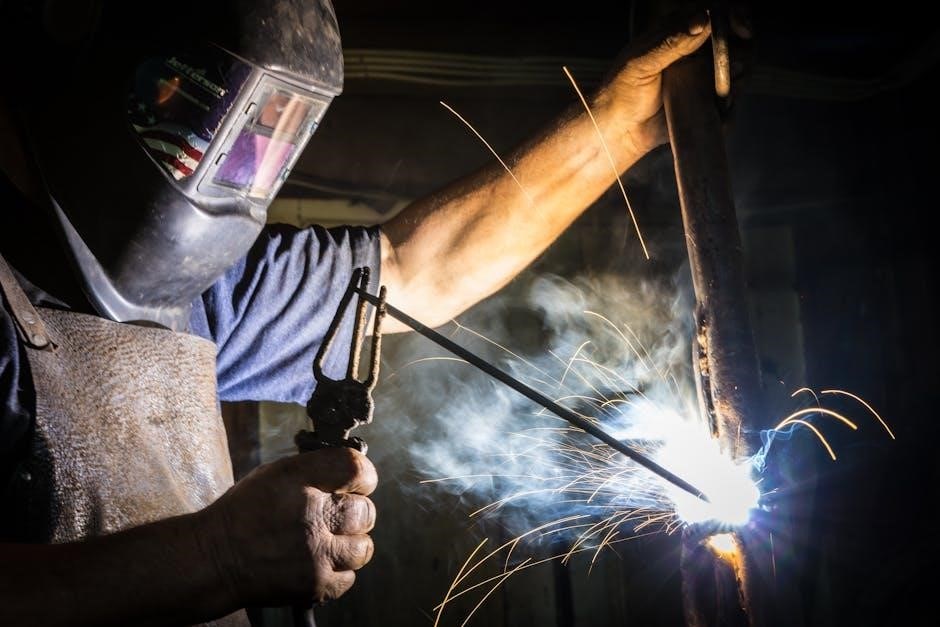
Arc welding presents significant hazards demanding strict adherence to safety protocols. Electric shock is a primary concern‚ potentially causing severe injury or fatality; always ensure proper grounding and insulation. Welding fumes and gases can be harmful to breathe‚ necessitating adequate ventilation or respiratory protection. Intense ultraviolet radiation from the arc can damage eyes and skin‚ requiring appropriate shielding.
Burns are also a risk from hot metal‚ sparks‚ and spatter. Fire and explosion hazards exist due to flammable materials in the work area. Be mindful of noise levels and potential exposure to electromagnetic fields (EMF). Prioritize personal protective equipment (PPE) and a safe working environment.
Additional Safety Symbols
Beyond standard warnings‚ specific symbols highlight installation‚ operation‚ and maintenance hazards. A symbol indicating a risk of electric shock emphasizes the need for disconnection before servicing. Another warns against touching electrically live parts‚ reinforcing electrical safety. Symbols denoting potential for burns caution against contact with hot surfaces or sparks.
Symbols related to gas cylinders highlight proper handling and storage procedures. Further symbols may indicate risks associated with moving parts or specific maintenance tasks. Understanding these symbols is crucial for safe operation and preventing accidents. Always consult the manual for detailed explanations of each symbol’s meaning.
California Proposition 65 Warnings
California’s Proposition 65 requires warnings about exposures to substances known to cause cancer‚ birth defects‚ or other reproductive harm. Welding processes‚ including those utilizing the Hobart 210MVP‚ can produce fumes and particles containing such substances. These may include metals like lead‚ cadmium‚ and nickel‚ as well as welding fumes themselves.
Exposure to these substances can occur during welding‚ grinding‚ or cutting operations. It’s vital to use adequate ventilation‚ wear appropriate respiratory protection‚ and follow safe handling practices to minimize exposure. Refer to the safety data sheets (SDS) for specific materials used and consult California’s Proposition 65 resources for further information.
Principal Safety Standards
The Hobart 210MVP adheres to several principal safety standards to ensure operator well-being and equipment longevity. These standards encompass electrical safety‚ arc welding hazard prevention‚ and proper machine operation. Key standards include those set forth by the American National Standards Institute (ANSI) and the International Electrotechnical Commission (IEC) regarding welding equipment safety.
Compliance involves proper grounding‚ insulation‚ and protective measures against electric shock. Adhering to these standards minimizes risks associated with arc radiation‚ fumes‚ and potential mechanical hazards. Always consult the complete safety section of this manual and relevant industry guidelines for detailed information and best practices.
Electromagnetic Fields (EMF) Information
Arc welding processes generate electromagnetic fields (EMF). The Hobart 210MVP‚ like all arc welding equipment‚ produces EMF during operation. While the health effects of EMF are still debated‚ individuals with pacemakers or other implanted medical devices should exercise caution and consult their physician before operating or working near this equipment.
Maintaining a safe working distance and following recommended practices can help minimize EMF exposure. Further research is ongoing to better understand the potential long-term effects of EMF. Always prioritize safety and consult relevant health guidelines.
Understanding the 210MVP Components
The 210MVP consists of a power source‚ wire feeder‚ gas delivery system‚ and welding gun/cables‚ all working together for optimal performance.
Power Source Overview
The Hobart 210MVP power source is designed for both MIG (GMAW) and Flux Cored (FCAW) arc welding applications. It delivers consistent and reliable power for a variety of materials and thicknesses. This unit features advanced inverter technology‚ providing a stable arc and excellent weld quality. Understanding its capabilities is crucial for safe and effective operation. The power source incorporates various safety features‚ including overload protection and thermal shutdown‚ ensuring longevity and operator safety. Proper ventilation is essential during operation to prevent overheating. Regular inspection of the power cables and connections is recommended to maintain optimal performance and prevent electrical hazards. The unit’s compact design enhances portability and ease of use in diverse welding environments.
Wire Feeder Details
The Hobart 210MVP’s integrated wire feeder ensures smooth and consistent wire delivery during welding operations. It accommodates various wire diameters‚ offering versatility for different welding applications. Maintaining proper wire tension is critical for stable arc performance and minimizing issues like bird nesting. The drive rolls must match the wire type and diameter being used. Regular cleaning of the wire feeder assembly prevents dust and debris buildup‚ which can cause feeding problems. Inspecting the feeder motor and gears for wear is also important for reliable operation. Proper wire spool installation and securing are essential to prevent erratic feeding. Understanding these details ensures optimal welding performance and minimizes downtime.
Gas Delivery System
The Hobart 210MVP utilizes a gas delivery system to shield the weld pool from atmospheric contamination‚ crucial for high-quality welds. This system requires a properly installed and secured gas cylinder‚ along with a regulator to control gas flow. Inspecting the gas hose for leaks or damage before each use is paramount for safety and consistent performance. The correct gas type – typically argon or a mixed gas – must be selected based on the welding process and material.
Maintaining a consistent gas flow rate is vital for adequate shielding. Purging the gas line before welding removes contaminants and ensures a clean weld.
Welding Gun and Cables
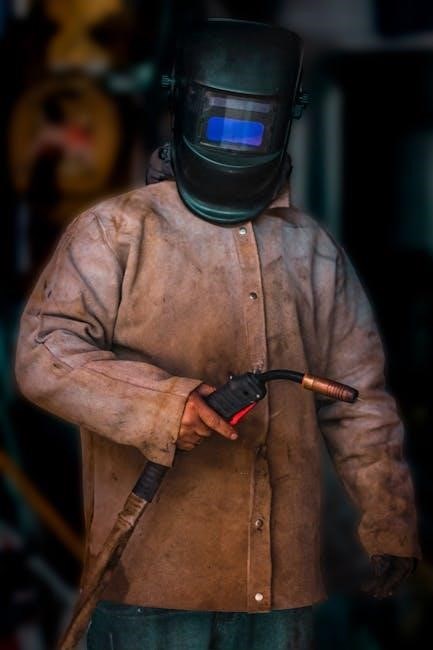
The Hobart 210MVP’s welding gun and cables are essential components for transferring welding current and shielding gas to the weld area. Regularly inspect the gun for wear‚ including the contact tip‚ nozzle‚ and diffuser‚ replacing them as needed to maintain optimal performance. Ensure the cable connections are clean and tight to prevent voltage drops and erratic arc behavior.
Proper cable routing prevents damage and ensures smooth operation. The gun’s trigger should operate smoothly‚ and the liner should be free of obstructions. Always disconnect the welding gun from the power source when performing maintenance or replacement of parts.
Setting Up the 210MVP
Proper setup involves grounding‚ gas cylinder installation‚ and wire installation with correct tension adjustment for optimal welding performance and safety.
Initial Setup and Grounding
Before operation‚ ensure the Hobart 210MVP is connected to a suitable power source‚ adhering to local electrical codes and regulations. A properly grounded system is crucial for operator safety and equipment longevity.
Connect the work cable securely to the workpiece‚ ensuring a clean and tight connection to minimize resistance. Verify the grounding clamp is firmly attached to a clean metal surface.
Inspect all cables for damage before each use‚ replacing any frayed or cracked wires immediately. Proper grounding diverts stray currents‚ reducing the risk of electric shock and electromagnetic interference.
Double-check all connections before initiating the welding process‚ prioritizing a safe and stable electrical pathway.
Gas Cylinder Installation
When installing a gas cylinder for use with the Hobart 210MVP‚ prioritize safety and follow established procedures. Securely fasten the cylinder in an upright position using a chain or strap to prevent accidental tipping.
Utilize a regulator specifically designed for the shielding gas being used‚ ensuring compatibility with the cylinder valve. Inspect the regulator and hose for leaks before each use‚ employing a soapy water solution to detect bubbles.
Slowly open the cylinder valve‚ monitoring the regulator pressure gauge to achieve the desired flow rate. Never force the valve open‚ and always close it tightly when not in use.
Wire Installation and Tension Adjustment
Proper wire installation is crucial for consistent welding with the Hobart 210MVP. Begin by ensuring the power is off before loading the wire spool onto the feeder hub‚ aligning it correctly.
Thread the wire through the drive rolls and guide tube‚ following the designated path. Adjust the drive roll tension to match the wire type and diameter‚ preventing slippage or deformation.
Feed the wire through the welding gun until it emerges at the contact tip. Fine-tune the tension adjustment knob to maintain consistent wire feed without buckling or bird-nesting.
Welding Parameters and Techniques
This section outlines optimal settings for MIG (GMAW) and Flux Cored (FCAW) welding‚ alongside troubleshooting for common issues encountered during operation.
MIG (GMAW) Welding Settings
Achieving optimal results with the Hobart 210MVP’s MIG (GMAW) process requires careful parameter selection. Voltage‚ wire feed speed‚ and gas flow are crucial. Typically‚ for mild steel‚ a voltage range of 17-24V is a good starting point‚ adjusted based on material thickness. Wire feed speed correlates directly with amperage; thicker materials demand higher speeds. Argon/CO2 gas mixtures (75/25 or 90/10) are commonly used‚ with flow rates between 20-30 cubic feet per hour.
Proper technique involves maintaining a consistent travel speed and work angle. Short-arc welding is generally preferred for thinner materials‚ while a longer arc is suitable for thicker sections. Regularly inspect the weld pool for proper penetration and fusion. Adjust parameters incrementally to fine-tune the weld characteristics and minimize defects like porosity or lack of fusion.
Flux Cored (FCAW) Welding Settings
The Hobart 210MVP excels in Flux Cored (FCAW) applications‚ offering high deposition rates and suitability for outdoor welding. FCAW settings differ from MIG; voltage typically ranges from 19-26V‚ depending on the wire diameter and joint configuration. Wire feed speed is again key to amperage control‚ requiring adjustment based on material thickness and desired penetration.
Self-shielded FCAW wires require no external gas‚ while gas-shielded wires utilize CO2 or Argon/CO2 mixtures. Gas flow rates‚ when applicable‚ should be around 25-35 cubic feet per hour. Maintain a slight drag angle and consistent travel speed. FCAW produces more spatter than MIG‚ so appropriate shielding and cleanup are essential. Monitor slag removal for complete fusion.
Troubleshooting Common Welding Issues
Common issues with the Hobart 210MVP include erratic wire feed‚ inconsistent arc‚ and porosity. Erratic feed often stems from a dirty drive roll or insufficient wire tension – inspect and adjust accordingly. An unstable arc can indicate incorrect voltage or polarity; verify settings for the chosen process and material.
Porosity‚ characterized by holes in the weld‚ frequently results from contamination (rust‚ oil) or inadequate shielding gas coverage. Ensure clean base metal and proper gas flow. Check for worn contact tips and nozzles. If problems persist‚ examine the ground clamp connection and power cable integrity. Always consult the manual for detailed diagnostics.

Maintenance and Repair
Regular cleaning‚ inspection‚ and adherence to the routine maintenance schedule are crucial for optimal Hobart 210MVP performance and longevity.
Routine Maintenance Schedule
To ensure the Hobart 210MVP operates reliably‚ a consistent maintenance schedule is essential. Daily checks should include inspecting welding cables for damage‚ verifying gas cylinder pressure‚ and cleaning the welding gun nozzle. Weekly‚ examine the wire feed rollers for wear and clean the drive assembly.
Monthly maintenance involves a thorough inspection of the power source cooling system (if applicable)‚ checking all electrical connections for tightness‚ and cleaning the exterior of the machine. Annually‚ it’s recommended to have a qualified technician inspect the internal components and perform any necessary repairs or replacements.
Proper maintenance extends the lifespan of your 210MVP and minimizes downtime‚ contributing to consistent welding quality and operational efficiency.
Cleaning and Inspection Procedures
Regular cleaning is vital for the Hobart 210MVP’s performance. Disconnect power before any inspection or cleaning. Use compressed air to remove dust and debris from the wire feeder‚ gun‚ and power source vents. Inspect welding cables for cracks or fraying‚ replacing them if damaged.

Check the gas nozzle for spatter buildup and clean it regularly. Examine the wire feed rollers for wear and smooth operation‚ cleaning or replacing as needed. Visually inspect all electrical connections for corrosion or looseness‚ tightening them securely.
A clean machine operates cooler and more efficiently‚ preventing potential issues and extending its lifespan.
Parts List and Ordering Information
To ensure proper maintenance and repair of your Hobart 210MVP‚ a comprehensive parts list is essential. Contact an authorized Hobart distributor or visit the official Hobart Welders website (www.hobartwelders.com) for detailed parts diagrams and ordering information.
When ordering‚ always have the model number (210MVP) and serial number of your unit readily available. This ensures you receive the correct replacement parts. Common replacement parts include welding tips‚ contact tips‚ nozzles‚ wire feed rollers‚ and welding cables.
Genuine Hobart parts are recommended for optimal performance and warranty coverage.
Leave a Reply
You must be logged in to post a comment.