
Universal Design for Learning (UDL) is a crucial framework addressing the primary barrier of inflexible, one-size-fits-all curricula. It proactively anticipates diverse learner needs, promoting inclusive educational environments. UDL minimizes learning barriers, fostering accessible experiences for all students, ensuring equity and engagement.
What is UDL?
Universal Design for Learning (UDL) is a comprehensive framework specifically designed to anticipate and address the varied needs of all learners within educational settings. It functions as a curriculum design, development, and delivery model, fundamentally focused on creating accessible learning content and materials. UDL moves beyond traditional one-size-fits-all approaches, which often inadvertently create barriers; Instead, it proactively establishes learning experiences that are effective for everyone, fostering an inclusive environment where optimal learning is achievable for every student, regardless of their individual abilities or characteristics. This framework is concerned with all facets of education, including the learning content itself, the processes by which students learn, the products they create to demonstrate understanding, and the overall learning environment. By promoting strategies that enable students with diverse abilities—whether in seeking, hearing, speaking, moving, reading, writing, or understanding—to achieve learning standards, UDL ensures that barriers to learning are systematically minimized. It is a set of principles and values guiding educators to plan instruction that supports equity and inclusivity, ultimately aiming to cultivate expert learners.
Core Concept of UDL
The core concept of Universal Design for Learning (UDL) centers on proactively addressing the primary barrier to fostering expert learners within instructional environments: the inflexible, one-size-fits-all curriculum. Instead of retrofitting accommodations for individual students, UDL advocates for designing learning experiences from the outset to be accessible and engaging for all learners. This involves anticipating the diverse needs and characteristics of students and embedding flexibility into the curriculum’s goals, methods, materials, and assessments. By doing so, UDL aims to identify and remove potential barriers to learning before they arise, creating an inherently inclusive educational environment. The framework emphasizes that it is the curriculum, not the learner, that often presents obstacles. Therefore, the core concept involves a fundamental shift in design thinking, ensuring that learning content, processes, products, and the overall environment are designed to work for everyone. This approach minimizes unintentional barriers, promotes equity, and sustains the development of resourceful, purposeful, and strategic expert learners, allowing students with wide differences in abilities to achieve high learning standards.
Addressing Inflexible Curricula
Universal Design for Learning (UDL) directly confronts the significant challenge of inflexible, one-size-fits-all curricula, which are identified as the primary barrier to fostering expert learners within educational settings. These rigid curricula inadvertently create unintentional obstacles, preventing students with diverse abilities, needs, and characteristics from fully engaging and demonstrating their understanding. UDL offers a robust framework for curriculum design, development, and delivery that fundamentally shifts this paradigm.
Instead of expecting learners to adapt to a standardized curriculum, UDL advocates for designing learning experiences that are inherently flexible and accessible from the outset. This proactive approach involves anticipating the wide range of student variability and embedding multiple pathways for engagement, representation, and action/expression into the core structure of lessons and materials. By doing so, UDL effectively minimizes barriers to learning before they can arise, ensuring that course content and materials are accessible to all. This strategic design helps to create an inclusive environment where every student has optimal opportunities to learn, ultimately supporting the development of expert learners who are purposeful, resourceful, and strategic.
The UDL Framework and Principles
The UDL Framework, originated with CAST, Inc., is a set of principles and values guiding inclusive education. It outlines three core components: Multiple Means of Engagement, Multiple Means of Representation, and Multiple Means of Action and Expression, designed to create accessible learning experiences for all.

Origin of the UDL Framework (CAST)
The Universal Design for Learning (UDL) framework owes its foundational development to CAST, Inc., recognized as the Center for Applied Specialized Technology. This visionary organization was pivotal in originating and evolving UDL, specifically addressing the critical issue of inflexible, “one-size-fits-all” curricula that historically presented unintentional barriers to learning for a vast array of students. CAST’s mission was rooted in the profound understanding that learners possess wide differences in their abilities, needs, and characteristics, and that educational environments should proactively accommodate this diversity. Through extensive research and practical application, CAST formulated UDL as a robust, well-researched framework. They envisioned UDL not merely as an accommodation strategy, but as a comprehensive approach to curriculum design, development, and delivery. The core intent was to ensure the accessibility of course content and materials from the very inception, rather than as an afterthought. By drawing parallels with universal design in architecture, CAST aimed to create learning experiences that inherently work for everyone. This proactive approach ensures barriers to learning are minimized, fostering optimal, truly inclusive educational environments where every student can achieve learning standards and become an expert learner.
Three Core UDL Principles
The Universal Design for Learning (UDL) framework is underpinned by three foundational principles, each addressing a critical aspect of learner variability to foster expert learners. These principles are: Multiple Means of Engagement, Multiple Means of Representation, and Multiple Means of Action and Expression.
Multiple Means of Engagement focuses on the “why” of learning. It aims to stimulate interest and motivation by providing choices, fostering collaboration, and promoting self-regulation, ensuring learners are purposefully and genuinely invested. This principle is crucial for cultivating resourceful and authentic learners.
Multiple Means of Representation addresses the “what” of learning. It advocates presenting information in diverse formats—visuals, audio, text, and hands-on experiences—to accommodate varied perception and comprehension styles. This approach minimizes barriers for students with wide differences in their abilities to seek, hear, speak, move, read, write, and understand.
Finally, Multiple Means of Action and Expression covers the “how” of learning. It provides learners with varied options to demonstrate their understanding, allowing them to express knowledge through different methods like writing, speaking, creating projects, or performing. This principle enables strategic and action-oriented learner agency, making learning accessible to all.

Multiple Means of Engagement
The principle of Multiple Means of Engagement within the Universal Design for Learning (UDL) framework is dedicated to stimulating and sustaining learner interest and motivation. It addresses the “why” of learning, recognizing that students possess diverse affective networks that influence their desire to learn. By offering varied options for engagement, educators can cultivate purposeful and reflective, as well as resourceful and authentic learners. This involves providing choices in tasks and tools, fostering collaboration and community, and promoting self-assessment and reflection; For example, a UDL-designed lesson would allow students to select topics of interest for projects, work in flexible groups, or choose how they receive feedback, thereby increasing their sense of autonomy and relevance. Such strategies anticipate the needs of diverse learners, ensuring that the learning environment challenges and engages all students, regardless of their background or learning preferences. By actively reducing threats and distractions, and optimizing relevance, value, and authenticity, this principle minimizes barriers to participation and fosters a deeper, more sustained commitment to learning. It’s about empowering students to become self-regulated and motivated individuals, capable of setting their own learning goals and persisting through challenges.
Multiple Means of Representation
The UDL principle of Multiple Means of Representation focuses on the “what” of learning, advocating for presenting information and content in diverse formats. This approach recognizes that learners vary in how they perceive and comprehend information, ensuring accessibility for all students, including those with wide differences in their abilities to seek, hear, speak, move, read, write, or understand. Instead of a single, inflexible method, educators should offer alternatives for perceiving information, such as providing text with accompanying audio, visual diagrams, or tactile models. This also extends to offering various ways to understand language and symbols, by clarifying vocabulary, illustrating concepts through multiple media, and making connections to prior knowledge. For instance, a lesson might include a lecture, a relevant video, a graphic organizer, and a hands-on activity to explain a single concept. By minimizing barriers associated with how information is presented, this principle actively promotes inclusive educational environments. It transforms curricula from one-size-fits-all to flexible designs that cater to learner variability, helping students to become resourceful and knowledgeable. This proactive identification and removal of barriers creates an optimal learning experience for every student in every situation, as highlighted by UDL guidelines, fostering comprehensive understanding.
Multiple Means of Action and Expression
The UDL principle of Multiple Means of Action and Expression addresses the “how” of learning, offering diverse options for students to demonstrate knowledge and navigate their environment. Recognizing learners vary significantly in physical, motor, and communication abilities, this principle ensures curricula don’t create unintentional barriers by limiting response formats. It advocates for flexible alternatives for physical action, such as assistive technologies, adapted tools, or voice commands. Crucially, it offers multiple modes for students to express what they know, moving beyond single-format assignments. Options include written reports, oral presentations, artistic creations, multimedia projects, or digital portfolios, enabling all students to showcase understanding effectively. Furthermore, this principle provides supports for executive functions, offering scaffolds for goal-setting, planning, strategy development, and self-monitoring. By minimizing constraints on how students interact with and demonstrate learning, UDL cultivates strategic, action-oriented learners. This fosters an inclusive educational environment where all students can purposefully engage, achieve learning standards, ensuring optimal learning experiences tailored to individual needs.

Benefits of UDL for Diverse Learners
UDL anticipates diverse learners’ needs by proactively removing barriers, creating inclusive environments. It promotes strategies for all students to achieve learning standards, fostering equity and optimal experiences. This framework ensures accessibility, supporting varied abilities and characteristics within educational settings.

Anticipating Diverse Needs
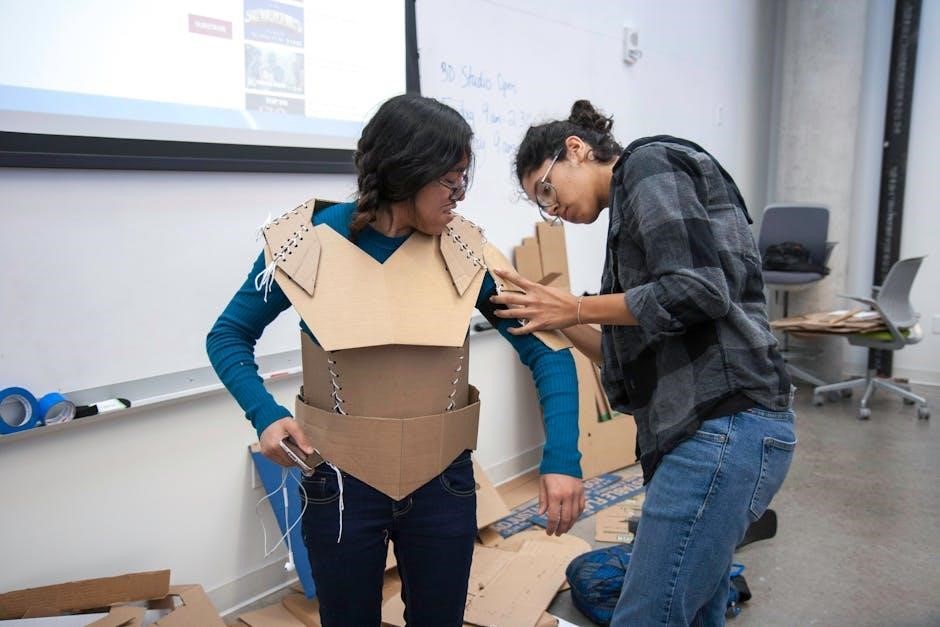
Universal Design for Learning (UDL) fundamentally transforms educational planning by proactively anticipating the wide spectrum of diverse learner needs, rather than reacting to them after issues arise. UDL integrates accessibility and flexibility from the outset, meticulously considering variances in learning content, process, products, and the overall learning environment. This comprehensive framework promotes strategies specifically designed to ensure that all students, regardless of their individual abilities to seek, hear, speak, move, read, write, or understand, can effectively achieve established learning standards. By applying UDL principles, educators create learning experiences that are inherently suitable and engaging for everyone, diligently identifying and removing potential barriers even before they arise. This proactive stance cultivates a truly inclusive environment where the learning process is optimized for every student, in every unique situation, fostering deep understanding and engagement. UDL thereby provides accessible learning alternatives in advance, ensuring that course content and materials are readily available, comprehensible, and engaging to all. It supports the development of expert learners by minimizing obstacles, fostering equity and inclusivity in the very design of instructional settings and all educational experiences for a richer outcome.
Promoting Inclusive Educational Environments
Universal Design for Learning (UDL) stands as a foundational framework explicitly aimed at cultivating and promoting truly inclusive educational environments. It is not merely an add-on but an inherent approach, fostering settings where every student feels valued and can thrive. UDL operates as a comprehensive framework of principles and values, applicable across institutional, departmental, and individual educator levels, guiding the design of instruction to embrace learner variability. By proactively identifying and systematically removing barriers to learning, UDL ensures that the educational experience is optimal for every student in every situation. This framework actively champions equity and inclusivity in the design of courses and learning environments, making certain that obstacles to learning are minimized for all participants. Through its principles, UDL helps educators craft engaging and challenging learning environments that resonate with the diverse needs and characteristics of all learners. It moves beyond accommodating differences to celebrating them, creating a dynamic and accessible space where varied abilities are not just tolerated but are integral to the rich tapestry of the learning community, fostering a sense of belonging for everyone.
Minimizing Barriers to Learning
Universal Design for Learning (UDL) fundamentally aims to minimize barriers to learning by directly addressing the root causes of instructional inflexibility. The framework highlights that “inflexible, one-size-fits-all curricula” are the primary source of unintentional barriers, hindering the development of expert learners within educational environments. UDL proactively combats this by anticipating the diverse needs of students and designing instruction that removes these obstacles from the outset, rather than providing retroactive accommodations. This approach ensures that learning standards can be achieved by students with wide differences in their abilities, encompassing how they seek, hear, speak, move, read, write, and understand information. By applying UDL principles, educators create accessible learning alternatives in advance, thereby fostering equity and inclusivity in the design of courses and learning environments. The ultimate goal is to ensure that barriers to learning are significantly reduced, allowing for an optimal and universally accessible learning experience for every student, regardless of their individual characteristics or needs, thus cultivating expert learners.

UDL in Practice: Applications and Examples
UDL in practice involves accessible lesson plan templates, applying its principles to digital and media literacy, and integrating it into computer science lessons. This ensures engaging, inclusive learning environments where all students can thrive.
UDL Lesson Plan Templates
Universal Design for Learning (UDL) lesson plan templates are instrumental tools for educators to cultivate truly inclusive and accessible learning environments. These templates guide teachers in proactively designing instructional content, activities, and assessments that cater to the wide array of abilities and characteristics in any classroom. The fundamental goal of utilizing such a template is to ensure every lesson is inherently accessible to all students from the outset, minimizing retroactive accommodations.
Following a UDL lesson plan template prompts educators to consider multiple means of engagement, representation, and action and expression, aligning with core UDL principles. For instance, a template guides planning a science lesson on the stages of matter. Instead of a single lecture, it encourages incorporating hands-on experiments, group work, visual aids, and various ways for students to demonstrate understanding. This strategic planning ensures learning standards are achieved by students with diverse styles and abilities, fostering expert learners. The template aids systematic removal of learning barriers, optimizing learning for every student.
Applying UDL to Digital and Media Literacy
Applying Universal Design for Learning (UDL) to digital and media literacy education is crucial for fostering inclusive and accessible learning experiences. UDL, as a framework for designing instruction to address learner variability, directly enhances how students engage with and comprehend digital content. It ensures that the essential competencies of digital and media literacy—such as evaluating information, creating digital artifacts, and understanding media’s influence—are accessible to everyone.
In practice, this means offering multiple means of representation when presenting digital and media literacy concepts. For example, students might learn about online safety through interactive simulations, videos, or accessible readings. To promote engagement, lessons can incorporate collaborative projects where students analyze real-world media examples, catering to varied interests. Furthermore, UDL encourages multiple means of action and expression, allowing students to demonstrate their media literacy skills through various digital tools—be it creating a podcast, designing an infographic, or producing a short video. This approach minimizes barriers, ensuring that all learners can effectively develop and apply their digital and media literacy skills in an ever-evolving digital landscape.
UDL in Computer Science Lessons
Applying Universal Design for Learning (UDL) in computer science lessons offers an inclusive teaching model, providing accessible learning alternatives for all students. Computer science’s abstract nature often presents significant barriers. UDL proactively addresses these through curriculum flexibility, making computational thinking and programming skills genuinely attainable for diverse learners, fostering inclusive excellence.
UDL implementation involves multiple means of representation for complex topics. Coding principles, for example, can be taught via visual block-based platforms, interactive simulations, or pseudocode, alongside traditional syntax. Engagement is boosted through varied project choices, collaborative problem-solving, and real-world applications. Furthermore, multiple means of action and expression allow students to demonstrate understanding flexibly—by writing code, explaining logic verbally, creating flowcharts, or developing presentations. This comprehensive application truly transforms computer science education, creating an equitable and dynamic environment where every student develops essential digital competencies and thrives successfully.
Creating Engaging Learning Environments
Creating genuinely engaging learning environments is a core outcome of implementing Universal Design for Learning (UDL). Recognizing that today’s classrooms are inherently diverse, UDL provides a robust framework to proactively design instruction that challenges and captivates all students. It moves beyond a one-size-fits-all approach, which often creates unintentional barriers, by focusing on curriculum design, development, and delivery that inherently supports varied learners, ensuring learning experiences work for everyone, addressing diverse abilities, needs, and characteristics.
An engaging environment, guided by UDL principles, ensures students have multiple pathways to interact with content, express their knowledge, and feel motivated in their learning journey. This involves offering choices in tasks, fostering collaboration, and connecting learning to students’ interests and backgrounds. By minimizing barriers to learning and promoting learner agency that is purposeful, reflective, resourceful, authentic, strategic, and action-oriented, UDL helps cultivate spaces where students are not just recipients of information but active, resourceful, and purposeful participants. This inclusive design philosophy ultimately leads to an optimal and stimulating learning experience for every student in every situation, ensuring equity and sustained development of expert learners within instructional environments.

UDL Resources and Documentation (PDF Focus)
Key UDL resources frequently come in PDF format. These include the official UDL Guidelines, practical classroom examples, and research papers on implementation. Such PDF documents explain UDL principles, promoting inclusion and learner agency, offering valuable tips for educators.
Official UDL Guidelines PDF
The official UDL Guidelines PDF serves as the foundational document for understanding and successfully implementing Universal Design for Learning across educational settings. This comprehensive PDF outlines the core principles and critical checkpoints educators utilize to create truly inclusive and effective learning environments. It elaborates extensively on the three essential components: Multiple Means of Engagement, Representation, and Action & Expression. These guidelines are meticulously detailed, explicitly helping teachers proactively design curricula and instructional methods that anticipate a wide spectrum of learner variability. The document emphasizes fostering robust learner agency, aiming for students to become purposeful, resourceful, and strategic experts in their own learning journey. It provides clear explanations of each principle, accompanied by practical examples and actionable tips, making it an indispensable resource for both novice and seasoned practitioners. By consulting this authoritative PDF, educators gain deeper insight into how to minimize barriers, maximize learning opportunities, and robustly support every student in achieving academic success. It is the definitive guide for fostering equitable and accessible education, ensuring all learners can meaningfully access, participate in, and progress through the curriculum effectively, transforming modern educational practices.
UDL Examples in the Classroom PDF
The “UDL Examples in the Classroom PDF” serves as an invaluable practical guide, showcasing how Universal Design for Learning principles translate into tangible classroom activities and strategies. This document typically provides concrete illustrations of UDL implementation, helping educators visualize the framework in action. For instance, it might feature a UDL lesson plan template, demonstrating how to design instruction proactively to meet diverse needs from the outset. Examples often include varied methods for presenting information, such as incorporating multimedia, graphic organizers, and hands-on experiments like those teaching the stages of matter. Furthermore, the PDF highlights diverse ways students can demonstrate their learning, moving beyond traditional tests to include projects, presentations, or group work, thus embodying multiple means of action and expression. It often details strategies for fostering engagement, perhaps through collaborative activities or choice in learning tasks. By offering such clear, actionable examples, this PDF empowers teachers to anticipate and remove learning barriers, ensuring content accessibility and fostering a truly inclusive environment where every student, regardless of their abilities, can thrive and achieve learning standards effectively. It bridges the gap between theoretical understanding and practical application of UDL.
Research Papers on UDL Implementation (PDF)
Research papers on UDL implementation, frequently found in PDF format, offer invaluable insights into the practical application and effectiveness of this pedagogical framework across various educational contexts. These scholarly documents delve into how UDL principles are integrated into instructional design and teaching methodologies, providing empirical evidence and detailed case studies. For instance, recent academic work, including an article from 2025 by ARX Qizi, proposes practical design models for inclusive teaching specifically within computer science lessons, demonstrating UDL’s adaptability to specialized subjects. Other research explores UDL’s application in digital and media literacy education, outlining its historical development, core principles, and essential competencies for navigating learner variability in modern learning landscapes. Further studies investigate the quality management of inclusive education guided by UDL concepts, underscoring its pivotal role in cultivating equitable outcomes for all students. Resources like “model-of-inclusive-excellence.pdf” from platforms such as ERIC often present findings on UDL’s contribution to fostering academic excellence and truly inclusive environments, particularly in higher education. These comprehensive research papers are indispensable for educators, researchers, and policymakers aiming to comprehend the intricacies, challenges, and triumphs of UDL implementation, thereby informing best practices and driving continuous improvement in crafting accessible and engaging learning experiences for everyone.

Leave a Reply
You must be logged in to post a comment.