
TeamSpeak 3 Server Administration: A Comprehensive Guide (Boss ES 5 Manual Focus)
Navigating the Boss ES 5 manual is crucial for effective server management. Users frequently encounter issues like firewall conflicts and port forwarding necessities, requiring detailed manual review.
TeamSpeak 3 stands as a premier voice communication solution, favored by gamers, communities, and organizations alike for its robust features and customizable environment. Boss ES 5, a dedicated server solution, provides a streamlined and efficient platform for hosting TeamSpeak 3 servers, particularly appealing to those seeking a user-friendly interface and comprehensive control. Understanding the synergy between these two is paramount for successful server administration.
The Boss ES 5 manual serves as an indispensable resource, guiding administrators through the intricacies of server setup, configuration, and maintenance. Initial challenges often revolve around firewall configurations, as highlighted by user experiences – ensuring proper port forwarding and exception creation are vital for connectivity. The manual details these steps meticulously. Furthermore, the manual addresses common issues like reinstalling TeamSpeak and troubleshooting connection problems, offering solutions for a smooth operational experience. It also touches upon advanced features, such as startup script compatibility with chkconfig, a crucial aspect for Linux-based servers.
Beyond technical aspects, the Boss ES 5 manual also guides users on aesthetic customization, including skinning and image cache management, while also addressing potential legal considerations regarding logo usage. Ultimately, mastering the Boss ES 5 manual empowers administrators to create and maintain a stable, secure, and engaging TeamSpeak 3 environment.
Understanding the Boss ES 5 Interface
The Boss ES 5 interface presents a centralized hub for managing all aspects of your TeamSpeak 3 server. The manual emphasizes a logical layout, dividing functionalities into distinct sections for server administration, user management, and configuration. Familiarizing yourself with these sections is key to efficient operation.
Initially, users may find navigating the interface daunting, but the Boss ES 5 manual provides detailed walkthroughs and screenshots. Key areas include the server list, where you can monitor server status and resource usage, and the user and group management panels, essential for controlling access and permissions. The manual highlights the importance of understanding client lists, noting features like “First Connected” and “Last Connected” lanes, which aid in tracking user activity.
Furthermore, the manual details customization options, such as skin selection and icon management. Users can modify the visual appearance of their server, but the manual cautions against potential legal issues related to copyright infringement when using custom logos. The language settings panel, allowing administrators to switch between languages like German and English, is also clearly explained. Mastering the interface, guided by the manual, unlocks the full potential of Boss ES 5.
Server Installation and Initial Configuration
The Boss ES 5 manual meticulously guides users through the server installation process, emphasizing the importance of pre-requisites and system compatibility. It details downloading the necessary files and executing the installation wizard, providing screenshots for each step. Initial configuration involves setting the server administrator token, a critical security measure detailed extensively within the manual.
A common issue encountered during installation, as noted in community forums referenced by the manual, is firewall interference. The manual provides comprehensive instructions on configuring firewall exceptions for TeamSpeak 3, including specific port requirements. It stresses the need to forward these ports correctly to ensure external connectivity. Troubleshooting connection problems is a dedicated section, addressing scenarios where users struggle to connect despite seemingly correct configurations.
The manual also covers initial server settings, such as server name, password, and maximum user slots. It highlights the importance of choosing a strong administrator password and regularly updating the server software for security. Finally, the manual introduces the concept of startup scripts and their compatibility with chkconfig, enabling automated server launch and management.
User Management: Creating and Managing Server Groups
The Boss ES 5 manual dedicates a significant portion to user management, specifically focusing on server groups. It explains the hierarchical structure, allowing administrators to assign permissions based on roles – server admin, channel admin, and regular user being prime examples. The manual details creating new server groups, assigning unique IDs, and defining their associated permissions.
A key feature highlighted is the ability to inherit permissions from parent groups, streamlining administration. The manual provides clear examples of how to set up a tiered system, granting increasing privileges as users climb the ranks. It also addresses common issues, such as conflicting permissions and troubleshooting access denials, referencing community forum discussions where users sought assistance with complex permission setups.
Furthermore, the manual explains how to manage individual user accounts, including adding, removing, and promoting users to different server groups. It emphasizes the importance of regularly reviewing user permissions to maintain server security and prevent unauthorized access. The manual also touches upon the use of virtual servers within group management.
Channel Permissions: Fine-Grained Control
The Boss ES 5 manual extensively covers channel permissions, emphasizing the granular control administrators possess. It details how to override server-wide settings on a per-channel basis, allowing for customized environments. Permissions encompass talk, listen, operator, and channel admin privileges, each configurable individually.
The manual explains how to restrict access to specific channels based on server groups, ensuring only authorized users can participate. It highlights the importance of carefully considering permission combinations to prevent unintended consequences, referencing forum posts where users struggled with overly permissive settings. The documentation provides step-by-step instructions on setting up password-protected channels for enhanced security.
Furthermore, the manual details how to manage channel-specific settings like topic, description, and codec overrides. It addresses troubleshooting scenarios, such as users being unable to speak or hear in a channel, offering solutions based on permission conflicts. The manual also explains how channel permissions interact with client permissions, creating a layered security approach.
Client Permissions: Individual User Control
The Boss ES 5 manual dedicates a significant section to client permissions, detailing how administrators can exert precise control over individual user experiences. It explains how to override server group settings for specific clients, enabling tailored access levels. Permissions range from basic talk/listen privileges to advanced controls like server admin or superadmin access.
The manual emphasizes the importance of using client permissions cautiously, as misconfiguration can lead to security vulnerabilities or disrupt user experience. It references community forum discussions where users sought assistance resolving permission conflicts, highlighting the need for careful planning. Detailed instructions are provided on how to temporarily or permanently modify a client’s permissions.

Furthermore, the manual explains how to view a client’s effective permissions – a combination of server group and individual settings – for troubleshooting purposes. It covers scenarios like restricting a user’s ability to connect, changing their nickname, or banning them from the server. The manual also details how client permissions interact with channel permissions, creating a robust and flexible access control system.
Virtual Servers: Setting Up Multiple Environments
The Boss ES 5 manual thoroughly covers virtual server creation and management, outlining how to establish distinct environments within a single TeamSpeak 3 installation. It details the process of creating new virtual servers, assigning unique ports and query ports, and configuring initial settings like welcome messages and maximum user limits.
The manual stresses the benefits of utilizing virtual servers for segregating communities, hosting events, or testing configurations without impacting the main server. It references user forum posts discussing the need for multiple environments, particularly for larger communities with diverse interests. Step-by-step instructions are provided on cloning existing virtual servers to quickly replicate setups.
Furthermore, the manual explains how to manage virtual server permissions, ensuring appropriate access control for each environment. It details how to assign virtual server admins and configure server groups specific to each virtual server. The manual also covers advanced topics like virtual server templates and scripting, enabling automated server creation and customization. It emphasizes the importance of proper port management to avoid conflicts.
Codec Configuration: Optimizing Audio Quality
The Boss ES 5 manual dedicates significant attention to codec configuration, recognizing its pivotal role in delivering optimal audio quality for TeamSpeak 3 users. It details each available codec – including Opus, Speex, and GSM – outlining their respective strengths and weaknesses regarding bandwidth consumption and audio fidelity.
The manual provides guidance on selecting the most appropriate codec based on server conditions and user internet connections. It explains how to adjust codec quality settings, balancing audio clarity with server load. Discussions from the TeamSpeak community forums highlight user experiences with different codecs, informing the manual’s recommendations.
Furthermore, the manual covers advanced codec settings, such as bitrate control and voice activity detection (VAD) thresholds. It explains how to fine-tune these parameters to minimize latency and improve audio clarity. The manual also addresses potential codec conflicts and provides troubleshooting steps for resolving audio-related issues. It stresses the importance of consistent codec settings across all virtual servers for a seamless user experience.
Firewall Configuration for TeamSpeak 3
The Boss ES 5 manual emphasizes the critical importance of proper firewall configuration for a functional TeamSpeak 3 server. It details the specific ports required for both inbound and outbound traffic, crucial for client connections and server operation. The manual acknowledges common user struggles, like connection issues despite seemingly correct port forwarding, referencing forum discussions about firewall conflicts.
It provides step-by-step instructions for configuring popular firewall software, including Windows Firewall, outlining how to create exceptions for the TeamSpeak 3 server executable and the necessary ports. The manual stresses the need to differentiate between TCP and UDP protocols, explaining their distinct roles in TeamSpeak 3 communication.
Troubleshooting sections address scenarios where firewalls block connections, offering solutions like temporarily disabling the firewall for testing or verifying port forwarding rules. The manual also cautions against overly restrictive firewall settings that can inadvertently hinder server performance. It highlights the importance of regularly reviewing firewall rules to ensure continued functionality and security.
Port Management: Essential Ports and Forwarding
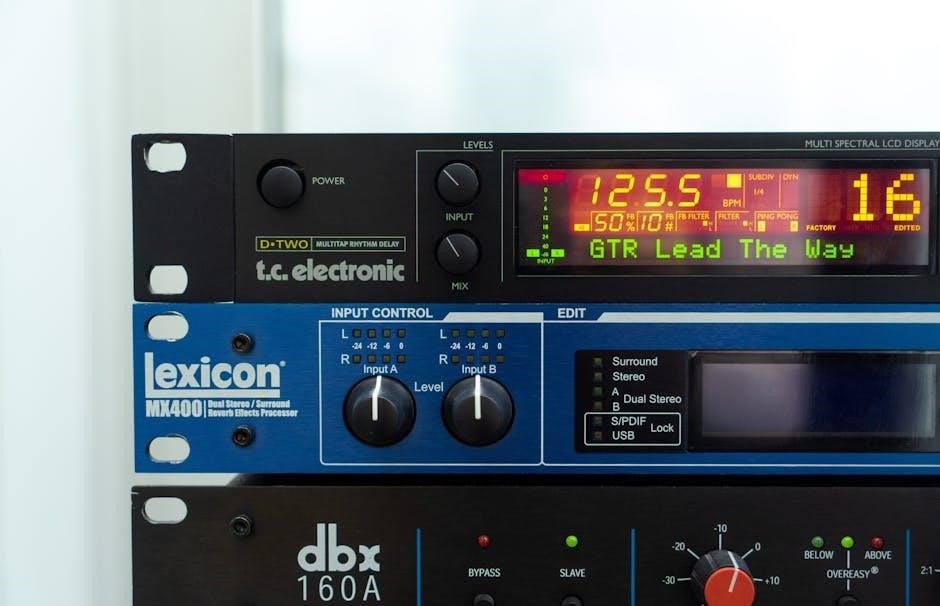
The Boss ES 5 manual dedicates significant attention to port management, recognizing it as a frequent source of issues for TeamSpeak 3 server administrators. It meticulously lists the essential ports – both TCP and UDP – required for server functionality, including the default voice port (9987 UDP), query port (10011 UDP), and file transfer ports. The manual stresses that correct port forwarding is paramount for external accessibility.

Detailed instructions are provided on configuring port forwarding on various router models, acknowledging the diverse interfaces and settings. It addresses common pitfalls, such as incorrect port mappings or conflicts with other applications using the same ports. The manual references user forum posts detailing struggles with firewall and port configurations, offering solutions based on these experiences.
Furthermore, the manual explains the concept of dynamic DNS and its utility when dealing with changing IP addresses. It emphasizes the importance of verifying port forwarding using online tools and testing connections from external networks to ensure proper server accessibility. Security considerations regarding port exposure are also discussed.

Troubleshooting Connection Issues
The Boss ES 5 manual provides a dedicated troubleshooting section addressing common connection problems encountered by TeamSpeak 3 server administrators and users. It acknowledges frequent issues like firewall interference, incorrect port configurations, and network connectivity problems, referencing user reports from the official TeamSpeak forums. The manual guides users through systematic diagnostics, starting with verifying server status and basic network connectivity.

Detailed steps are outlined for checking port forwarding configurations, ensuring the necessary ports (9987 UDP, 10011 UDP, etc.) are correctly mapped. It addresses scenarios where reinstalling TeamSpeak or disabling firewalls temporarily resolves connection issues, suggesting deeper configuration problems. The manual also covers diagnosing issues related to dynamic DNS services and IP address changes.
Furthermore, it offers guidance on interpreting error messages and logs, providing insights into potential causes of connection failures. The manual suggests utilizing online tools to test port accessibility and network latency. It emphasizes the importance of consulting the TeamSpeak knowledge base and community forums for solutions to less common issues.
Startup Scripts and chkconfig Compatibility
The Boss ES 5 manual dedicates a section to ensuring reliable TeamSpeak 3 server startup, particularly focusing on compatibility with chkconfig, a system initialization utility common in older Linux distributions. It acknowledges user experiences, like those shared on the TeamSpeak forums, where adapting startup scripts for chkconfig proved challenging.
The manual details the necessary modifications to standard TeamSpeak startup scripts to align with chkconfig’s requirements. This includes defining appropriate runlevels and providing clear instructions for adding the TeamSpeak server as a service. It emphasizes the importance of correct file permissions and ownership to prevent startup failures.
The guide provides example scripts and explains how to test the chkconfig integration. It also addresses potential conflicts with other system services and offers troubleshooting steps for resolving startup issues. The manual notes that newer systemd-based distributions may require alternative approaches, referencing resources for systemd service file creation. It stresses the importance of verifying the server’s operational status after each configuration change.
Image Cache Management and Customization
The Boss ES 5 manual provides detailed guidance on managing the TeamSpeak 3 image cache, a crucial aspect of server customization. Forum discussions highlight user requests for image cache files (imagecache.ini) from servers displaying specific icons, demonstrating a desire for visual personalization.
The manual explains the purpose of the image cache – storing icons and avatars displayed in the TeamSpeak client – and outlines its location on the server. It details how to clear the cache to resolve display issues or force clients to download updated icons. Importantly, it addresses legal considerations regarding the use of custom icons, particularly those incorporating copyrighted logos like the TeamSpeak 3 logo itself.

The guide explains how to add custom icons, specifying supported file formats and recommended dimensions. It also covers troubleshooting common problems, such as icons not displaying correctly or causing client crashes. The manual emphasizes the importance of backing up the imagecache.ini file before making any modifications, and provides instructions on restoring it if necessary.
Skin Customization and Legal Considerations
The Boss ES 5 manual dedicates a section to skin customization, acknowledging the desire for personalized server aesthetics. Forum posts reveal users creating new icons and inquiring about the legal ramifications of using TeamSpeak 3 logos within those designs.
The manual details how to apply custom skins to the TeamSpeak 3 server, outlining the required file structure and configuration settings. It explains the process of replacing default icons with user-created alternatives, emphasizing the importance of maintaining compatibility with the TeamSpeak client. It also covers advanced customization options, such as modifying the color scheme and layout of the client interface.
Crucially, the manual addresses legal considerations surrounding skin customization. It explicitly warns against using copyrighted material without permission, highlighting the potential for legal consequences. It advises users to create original artwork or obtain licenses for any third-party assets used in their skins. The guide stresses the importance of respecting intellectual property rights and adhering to TeamSpeak’s terms of service.
Voice Modification and Sound Packs
The Boss ES 5 manual, while primarily focused on server administration, touches upon client-side customization options like voice modification and sound packs. Forum discussions reveal user interest in altering voice characteristics, specifically requesting a return to the “old nice lady” voice from TeamSpeak 2.
The manual explains that direct voice modification is typically handled through client-side plugins or modifications, rather than server-level settings. It acknowledges the possibility of using external software to alter a user’s voice before it reaches the server, but cautions against relying on such methods for consistent results. It details how sound packs – custom sound effects triggered by in-game events – can be integrated into the server environment.
The guide emphasizes the importance of considering user experience when implementing sound packs. Excessive or disruptive sounds can detract from the overall communication quality. It also addresses potential legal concerns related to using copyrighted sound effects without proper licensing. The manual suggests utilizing royalty-free sound libraries or creating original sound effects to avoid infringement issues.

Language Settings: Changing Server and Client Language
The Boss ES 5 manual provides limited direct instruction on altering server language settings. However, forum posts indicate frequent user inquiries regarding language changes, specifically transitioning from German to English. The manual clarifies that the server’s core language is generally determined by the operating system’s locale during installation.
While the server itself doesn’t have extensive language configuration options, the manual highlights the client’s ability to operate in various languages. Users can typically change their client’s language within the client’s settings menu, independent of the server’s language. This allows for a personalized experience for each user.

The guide suggests checking the TeamSpeak client’s documentation for detailed instructions on language selection. It also notes that some server administrators may utilize custom scripts or plugins to display server messages in multiple languages, enhancing accessibility for a diverse user base. The manual cautions against modifying core server files to force a language change, as this could lead to instability or malfunction.

Database Integration: MySQL and SQLite
The Boss ES 5 manual details database integration primarily for advanced user management and logging functionalities. While the core TeamSpeak 3 server can operate without a database, utilizing MySQL or SQLite significantly enhances scalability and administrative control. The manual emphasizes that database integration isn’t mandatory for basic server operation, but is highly recommended for larger communities.
SQLite is presented as a simpler, file-based database solution suitable for smaller servers with limited user bases. It requires minimal configuration and is often preferred for ease of setup. Conversely, the manual highlights MySQL as a more robust and scalable option, ideal for servers anticipating substantial growth and complex user management needs.
The guide provides basic schema examples for both database types, outlining the necessary tables and fields for storing user data, server groups, and channel permissions. It cautions against directly modifying the database schema without a thorough understanding of the TeamSpeak 3 data model, as this could lead to server instability. Detailed instructions on configuring the server to connect to a MySQL database are included, alongside troubleshooting tips for common connection errors.
Backup and Restore Procedures
The Boss ES 5 manual dedicates a section to crucial backup and restore procedures, stressing their importance for disaster recovery and data preservation. It outlines two primary backup strategies: full server backups and incremental backups of configuration files. Full backups involve copying the entire TeamSpeak 3 server directory, ensuring a complete restoration point. Incremental backups focus on changes made to key configuration files, reducing backup size and time.
The manual strongly advises regular, automated backups, suggesting scripting solutions for scheduled file copies. It details the specific files and directories that must be included in any backup, such as the server.ini, permissions files, and any custom virtual server configurations.
Restore procedures are explained step-by-step, covering scenarios ranging from simple file replacements to complete server reinstalls. The guide warns against restoring outdated configuration files to newer server versions, as this can cause compatibility issues. It also emphasizes the importance of verifying backup integrity before relying on them for restoration, suggesting test restores in a separate environment.
Security Best Practices for TeamSpeak 3 Servers
The Boss ES 5 manual prioritizes server security, dedicating a significant portion to best practices. It strongly recommends restricting administrative access, utilizing strong, unique passwords for all server admin accounts, and enabling query authentication. Regularly reviewing user permissions is also highlighted, minimizing the potential for unauthorized access or modifications.
The manual details the importance of firewall configuration, advising administrators to only allow necessary ports for TeamSpeak 3 traffic. It cautions against exposing the server directly to the internet without proper protection, suggesting the use of a dedicated server hosting provider with robust security measures.
Furthermore, the guide emphasizes the need for vigilance against denial-of-service (DoS) attacks, recommending rate limiting and filtering techniques. It also advises against running unnecessary plugins or bots, as these can introduce vulnerabilities. Regularly updating the TeamSpeak 3 server software to the latest version is crucial for patching security flaws, as detailed within the manual’s update section.
Advanced Configuration: Bots and Plugins
The Boss ES 5 manual dedicates a section to extending TeamSpeak 3 functionality through bots and plugins, but with a strong emphasis on caution. It details the process of installing and configuring plugins, highlighting the importance of sourcing them from trusted developers to avoid malicious software. The manual warns against using outdated or unsupported plugins, as these can introduce security vulnerabilities.
Regarding bots, the guide explains how to integrate them for automated tasks like welcome messages, music playback, or moderation. It stresses the need to carefully review bot permissions, limiting their access to only necessary server functions. The manual also provides troubleshooting tips for common bot-related issues, such as connection problems or unexpected behavior.
Furthermore, the documentation outlines the potential impact of bots and plugins on server performance, advising administrators to monitor resource usage and optimize configurations accordingly. It suggests testing new additions in a staging environment before deploying them to a live server, ensuring stability and compatibility.
Monitoring Server Performance and Resource Usage
The Boss ES 5 manual emphasizes proactive server monitoring as vital for maintaining optimal performance. It details how to utilize built-in tools and external resources to track key metrics like CPU usage, memory consumption, and network bandwidth. The manual stresses the importance of establishing baseline performance levels to quickly identify anomalies and potential bottlenecks.
Specifically, the guide explains how to interpret server logs for error messages and performance indicators. It recommends regularly reviewing these logs to identify recurring issues and address them before they impact user experience. The documentation also covers techniques for identifying resource-intensive clients or plugins that may be straining server resources.
Furthermore, the manual suggests utilizing third-party monitoring solutions for more comprehensive data analysis and alerting capabilities. It advises administrators to set up alerts for critical thresholds, such as high CPU usage or low disk space, enabling prompt intervention. Regular performance reviews, guided by the manual, are key to a stable server.
Leave a Reply
You must be logged in to post a comment.